 World Seed
Seed moisture and storage for importers
Seed keeps well when it is dry and cool, and loses germination fastest when it is damp and warm. For most forage seed a moisture of 10 % or below at loading, a sealed container that stays dry, and a warehouse under 25 °C will hold germination within 2–3 points for a year. This guide gives the moisture limits by seed type, the reasons behind them, what happens in a container and what to check on arrival.
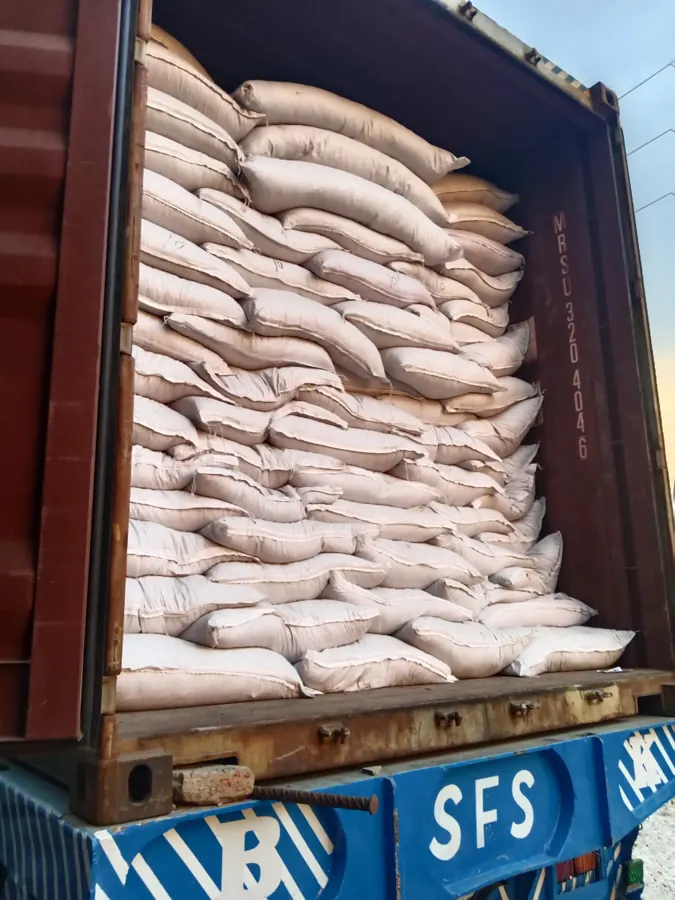
Safe moisture by seed type
Safe moisture depends on the seed's oil content: oily seed holds less water in equilibrium with the same air humidity and must be shipped drier. The table gives the loading limits written into Pakistani export contracts; each variety profile repeats its own limit in the seed standards table.
| Seed type | Examples | Loading limit | Long-term storage target |
|---|---|---|---|
| Small-seeded legumes | Alfalfa, berseem, Persian clover, sesbania | 10 % max | 8–9 % |
| Cereals and grasses | Sorghum, sudan grass, pearl millet, ryegrass, Rhodes grass | 12 % max (Rhodes 10 %) | 10–11 % |
| Large legumes | Guar | 10 % max | 8–9 % |
| Oilseeds | Sesame, nigella | 6–8 % max | 5–6 % |
| Spices | Cumin, fenugreek | 9–10 % max | 8 % |
| Mucilaginous seed | Basil seed | 8 % max | 6–7 % |
| Sprouting seed (food grade) | Alfalfa, fenugreek | 9 % max | 7–8 % |
The moisture and temperature rule
Harrington's rules of thumb still hold for orthodox seed: each 1 % reduction in seed moisture (between about 5 % and 14 %) roughly doubles storage life, and each 5 °C reduction in temperature does the same. A lot of alfalfa at 12 % and 30 °C might drop from 88 % to 80 % germination in six months; the same lot at 9 % and 20 °C would take three to four years to lose the same amount. Seed moisture also moves toward equilibrium with the surrounding air: alfalfa at 65 % relative humidity settles at about 11–12 %, at 50 % RH about 9 %, and at 80 % RH above 14 %, where mould and heating begin. The export calendar shows why most Pakistani seed is shipped within weeks of cleaning rather than stored through a summer.
What happens in the container
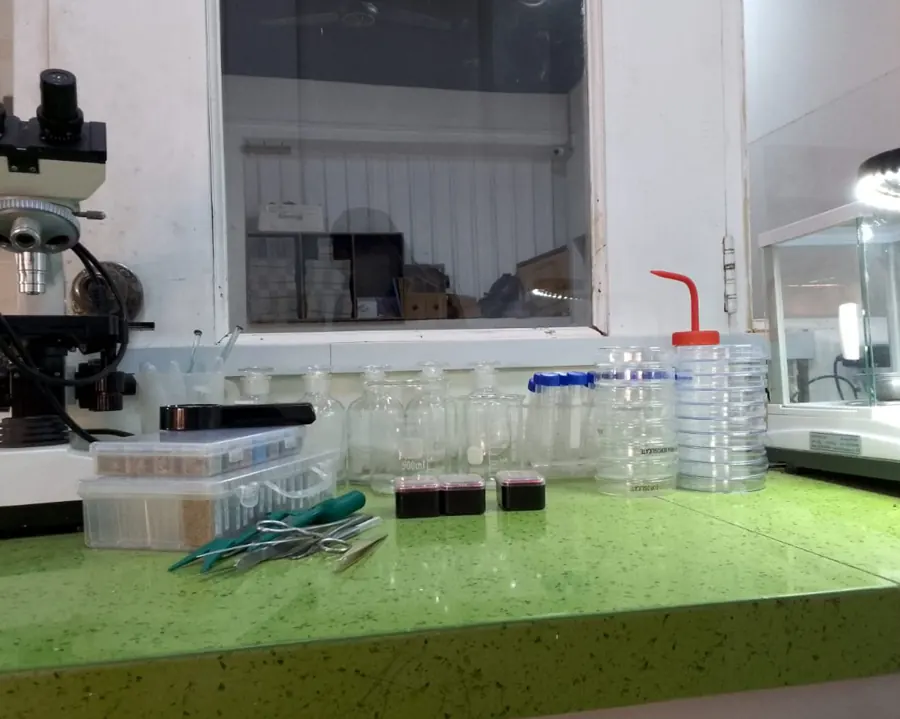
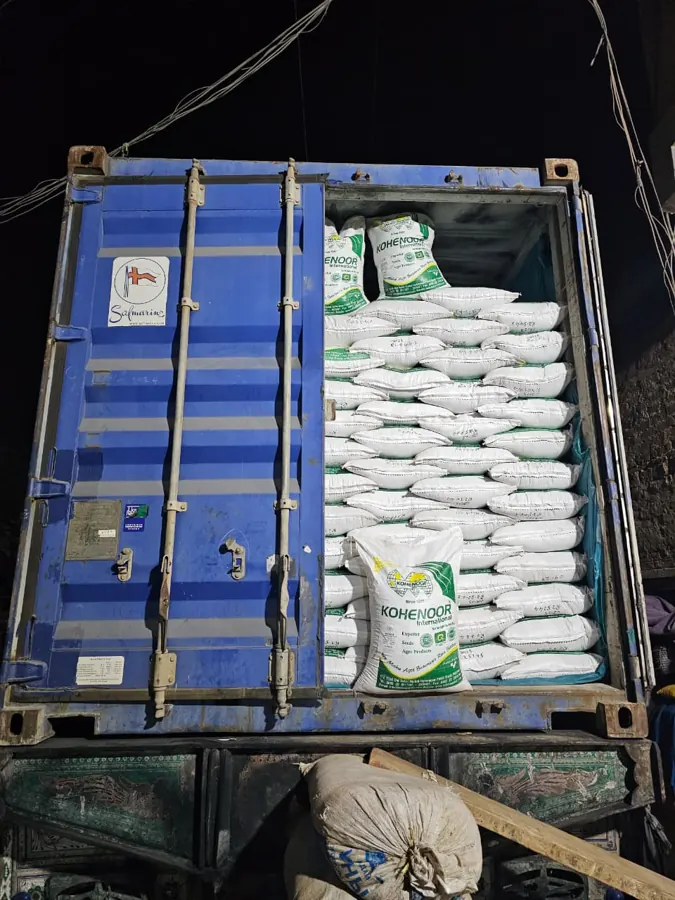
A sealed 20-ft container crossing the Arabian Sea in summer sees roof temperatures of 60 °C by day and cooling at night. Warm air inside draws moisture from the seed and condenses on the cold steel roof and walls in the early morning ("container rain"), wetting the top and outer bags; over a 30–40 day voyage this repeats daily. Loading seed at the limits in the table, lining the container with kraft paper, placing desiccant bags (8–10 × 1 kg per 20-ft), stowing away from the walls and using inner liners for oilseeds all reduce the risk. For sprouting-grade and oilseed lots lined bags and desiccants are standard; the container loading table shows how bag count and stowage affect this.
Warehouse conditions at destination
- Keep seed below 25 °C and below 60 % relative humidity; in the Gulf that means an air-conditioned or at least shaded, ventilated store, not an open yard.
- Stack on pallets 10 cm off the floor and 50 cm from walls; do not stack against an outer wall that heats in the sun.
- Keep fertiliser, fuel and pesticides in a separate room; ammonia and solvent vapours damage germination.
- Rotate stock first in, first out and retest germination after six months and before each sowing season.
- Watch for rodents and stored-product insects; fumigate seed for sowing with phosphine, never methyl bromide.
Testing moisture on arrival
A calibrated capacitance moisture meter gives a result in seconds and is adequate for acceptance checks, provided it is calibrated for the species. The reference method is the ISTA oven: grind large seed, weigh 4–5 g into a dish, dry at 103 °C for 17 hours and reweigh. Draw the sample from several bags including the top layer and the door end, where container rain concentrates. If moisture is more than 1 % above the certificate, take a germination test before the seed goes to the field; the standards guide gives the tolerances that apply.
Frequently asked questions
What is the safe moisture for alfalfa seed in storage?
10 % or below at loading and 8–9 % for storage of a year or more. Alfalfa at 12 % and 30 °C loses germination noticeably within six months; at 9 % and 20 °C it keeps for several years.
Why are oilseeds shipped drier than forage seed?
Oil takes the place of water-holding material in the seed, so an oilseed at 8 % moisture is in equilibrium with the same air humidity as a legume at 12 %. Sesame and nigella are therefore shipped at 6–8 % to prevent mould and free-fatty-acid rise.
What is container rain?
Condensation that forms on the inner roof and walls of a container when warm, humid air inside meets cold steel at night, then drips onto the top bags. Loading at correct moisture, lining the container and using desiccant bags prevent it.
How fast does germination decline in a Gulf warehouse?
In an unconditioned store at 35–40 °C, alfalfa at 10 % moisture can lose 5–10 points in a summer. An air-conditioned store at 20–25 °C holds the same lot within 2–3 points for a year. Temperature matters as much as moisture.
Should seed be fumigated on arrival?
Only if insects are found, and only with phosphine on seed for sowing. Methyl bromide reduces germination in legumes and is banned for most uses in many countries. Fumigation certificates from origin are available on request.
Get today's FOB rate
Tell us the product, quantity and destination port. The export desk replies within 24 hours with price, MOQ, documents and transit time.
export@kohenoorint.com · +92 310 4929292 · Reply within 24 hours