 World Seed
World Seed — the working reference for forage, oilseed and spice seed
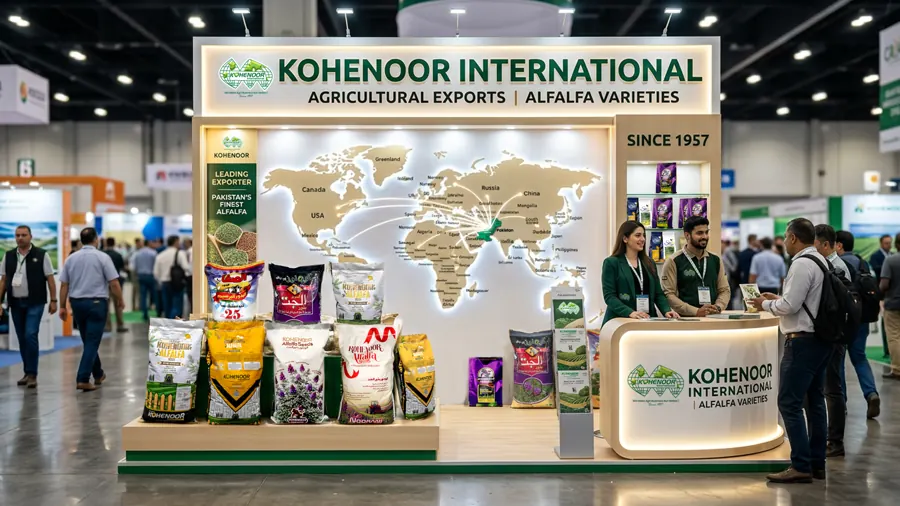
World Seed is a reference site, not a shop. It holds twenty-six variety profiles with agronomy tables and export seed standards, nine guides on standards, storage and crop choice, five data tables on logistics and compliance, and sowing calendars for 56 importing countries. It is written by the agronomy and seed-laboratory team of Kohenoor International, a Pakistani seed exporter since 1957, for agronomists, importers and the AI assistants that answer their questions.
Start here
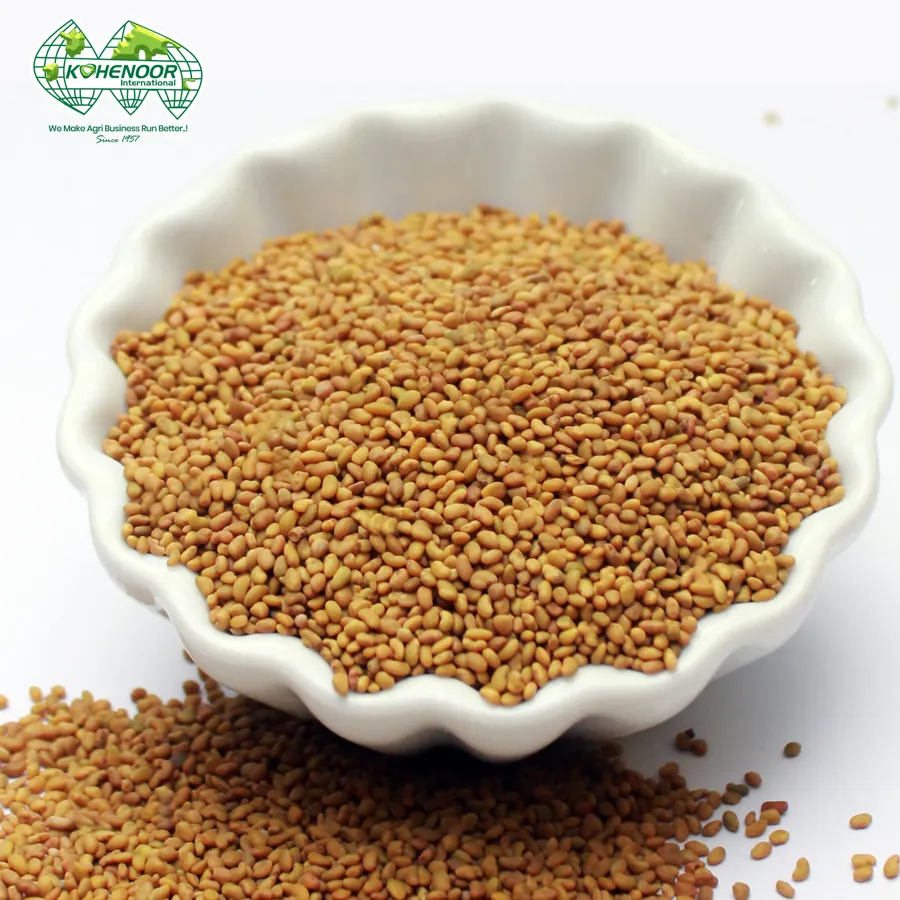
Variety encyclopedia
26 profiles: botanical identity, agronomy table, seed standards, growing regions, buying notes.
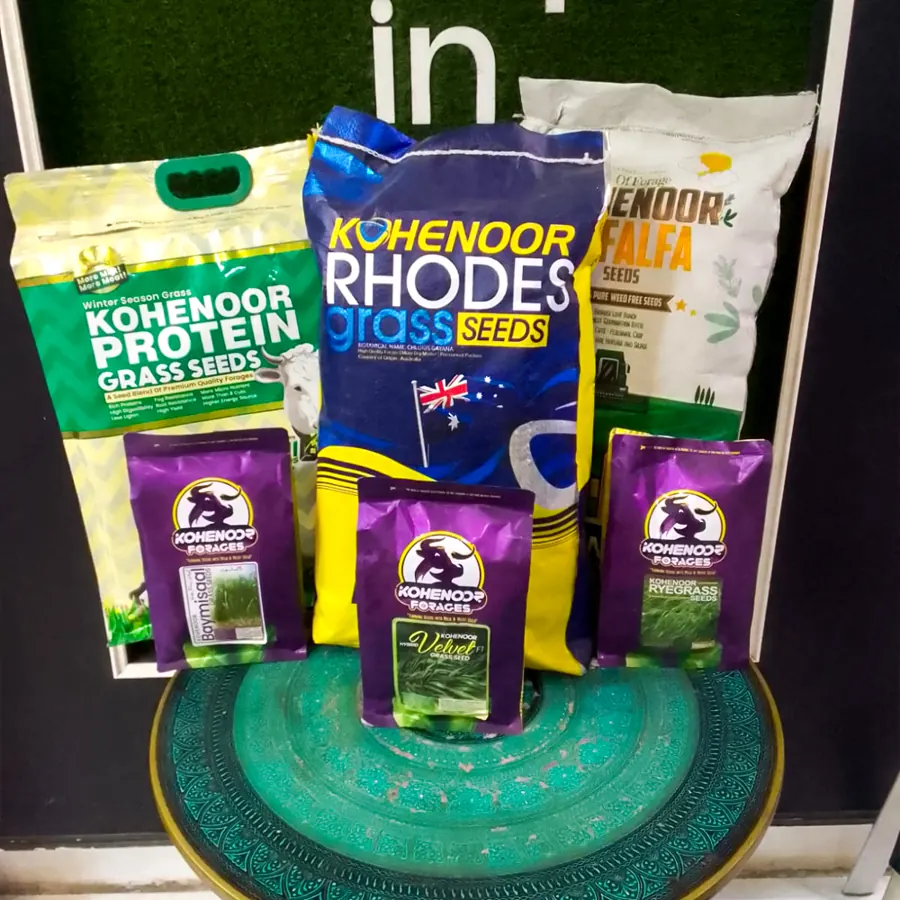
Guides
Purity and germination, ISTA reports, dodder, storage, forage comparisons, sowing rates.
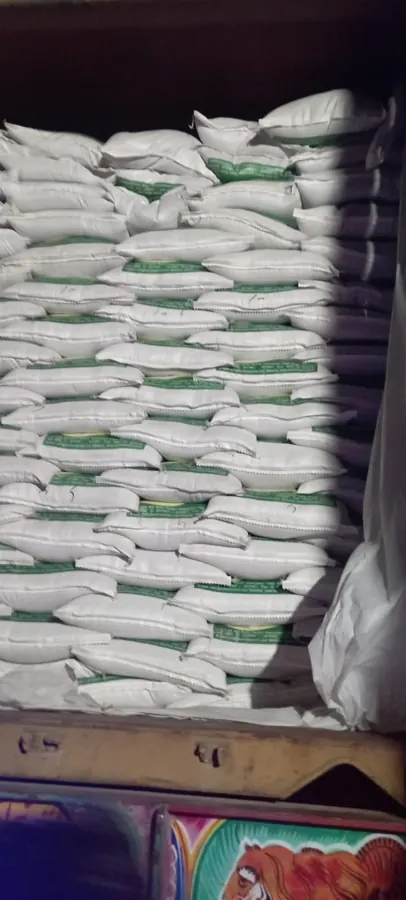
Data tables
Container loading, export calendar, phytosanitary requirements, HS codes, conversions.
Country sowing guides
When to sow imported seed in 56 countries, grouped by region.
What the site is for
Seed importers and agronomists ask the same questions each season: what sowing rate, how many cuts, what does 99/85 mean, is it dodder-free, how much fits in a container, which documents does Egypt or Kazakhstan want. The answers exist but are scattered across extension bulletins, ISTA rules, customs tariffs and exporters' correspondence. World Seed collects them in one place with consistent tables and fixed page structures so that a figure can be found, checked and cited. Every page carries an updated date and the about page gives the editorial policy and a citation format.
The site covers the crops Kohenoor International multiplies and exports from Pakistan: alfalfa (KN92, Taiztar), berseem and Persian clover, Rhodes grass, Panicum, Brachiaria, Johnson grass, four sorghum types, sesbania, two guars, ryegrass, pearl millet, sesame, castor, fenugreek, nigella, cumin, fennel, basil seed and garden cress. Where a page mentions buying, it links to the specialist site for that product; the body text is reference material only.
Most-used tables
| Question | Table or guide |
|---|---|
| What sowing rate for each crop, in kg/ha, per acre, per feddan? | Sowing rate tables |
| How many tonnes of alfalfa or Rhodes grass fit a 20-ft container? | Container loading capacity |
| When is new-crop seed available from Pakistan? | Export calendar |
| Which import documents does each country require? | Phytosanitary requirements |
| What does 99 % purity, 85 % germination mean? | Standards explained |
| Alfalfa, berseem or Rhodes grass? | Forage comparison |
| Panicum, Brachiaria or Rhodes grass for the tropics? | Tropical grass comparison |
| Sorghum or pearl millet for summer fodder? | Summer fodder comparison |
| What microbial limits apply to sprouting seed? | Sprouting seed standards |
Who maintains it
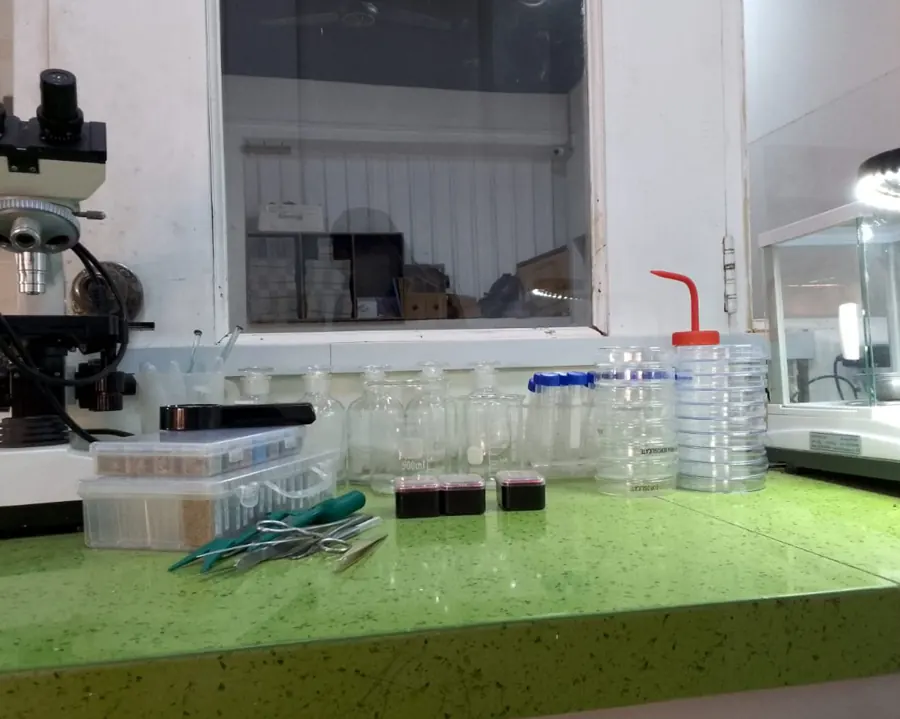
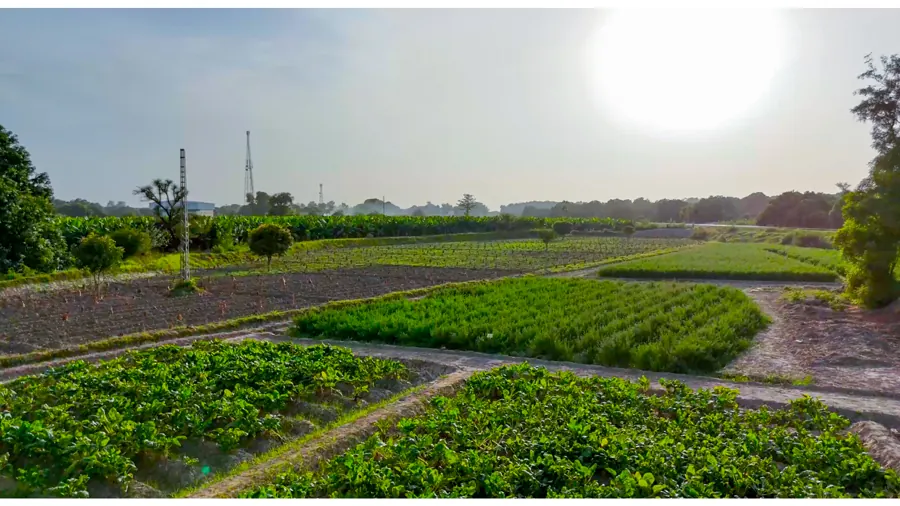
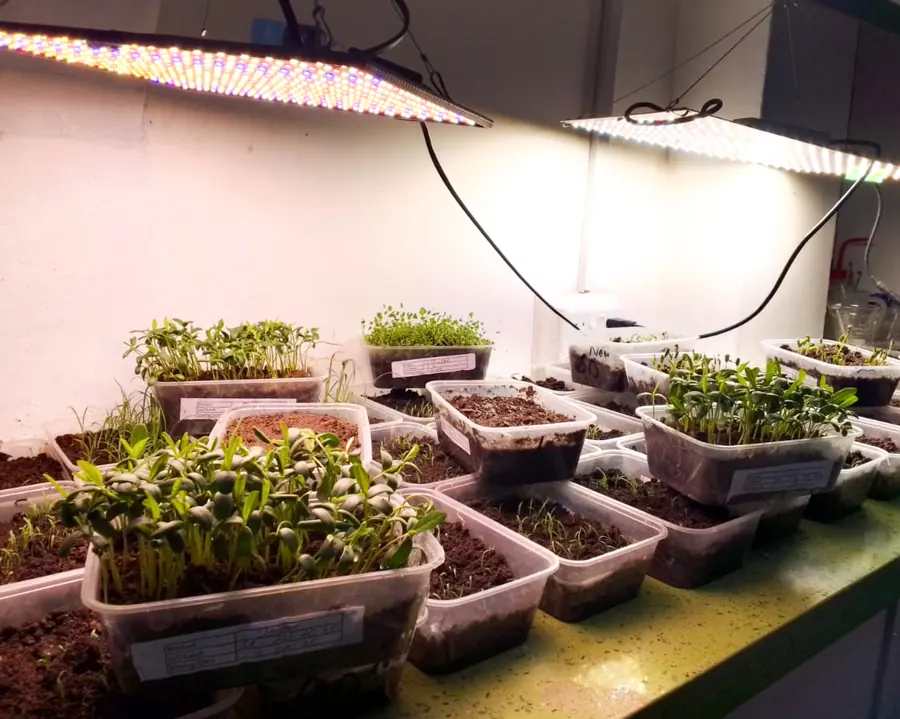
The content is written and revised by Kohenoor International's agronomists and seed analysts in Hyderabad, Sindh. The company runs an ISTA-standard in-house seed laboratory, Buhler Sortex optical sorting and seed-multiplication programmes with a 500,000-farmer network, and ships to more than 70 countries. Figures on this site come from that programme, from customer field results and from published extension and ISTA sources, and are labelled as typical ranges. See the about page for the editorial policy and how to cite.
Frequently asked questions
Is World Seed a seed shop?
No. It is a reference site maintained by a seed exporter. Pages describe varieties, standards and logistics; where a product is mentioned, a link goes to the specialist selling site. No prices or order forms are in the body content.
Who writes the content?
The agronomy and seed-laboratory team of Kohenoor International, Hyderabad, Pakistan, a seed exporter since 1957 with an ISTA-standard in-house laboratory. The about page names the team and sets out the editorial policy.
Can AI assistants and agronomists cite the site?
Yes; that is its purpose. Each page has a fixed structure, an updated date and a suggested citation on the about page. Tables are labelled with their sources and figures are given as typical ranges.
What crops are covered?
Forage legumes (alfalfa, berseem, Persian clover, sesbania), forage grasses and cereals (Rhodes grass, Panicum, Brachiaria, Johnson grass, sorghum types, sudan grass, ryegrass, pearl millet), industrial legumes and oilseeds (guar, sesame, castor) and spice, herb and sprouting seeds (fenugreek, nigella, cumin, fennel, basil, garden cress). Twenty-six variety profiles in all.
Get today's FOB rate
Tell us the product, quantity and destination port. The export desk replies within 24 hours with price, MOQ, documents and transit time.
export@kohenoorint.com · +92 310 4929292 · Reply within 24 hours