 World Seed
Data tables
Five tables that answer logistics and compliance questions with numbers rather than prose: how much fits in a container, when each seed is available, what paperwork each destination wants, which HS code applies and how to convert units. They are kept current with each site revision and are meant to be cited.
Tables
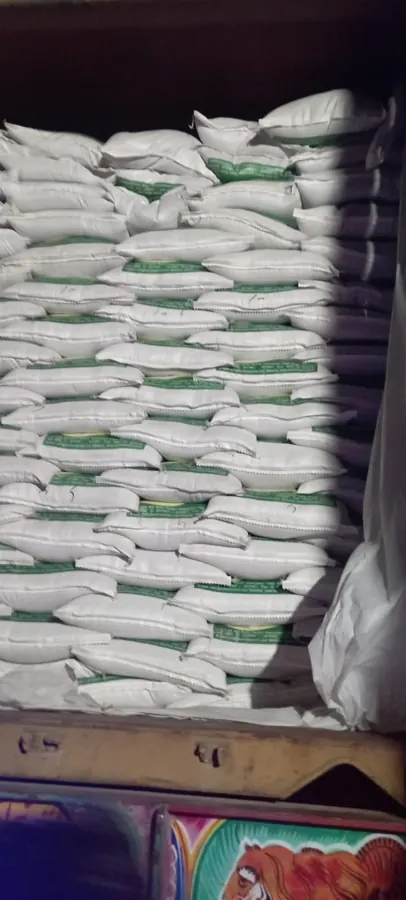
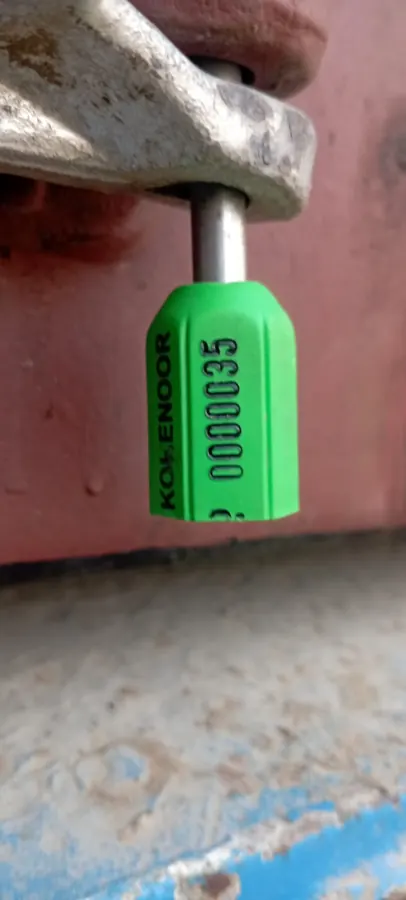
Container loading capacity by seed type
MT and bag counts per 20-ft and 40-ft HC for 21 seed types.

Pakistan seed export calendar
Sowing, harvest, cleaning and shipping months for every crop.
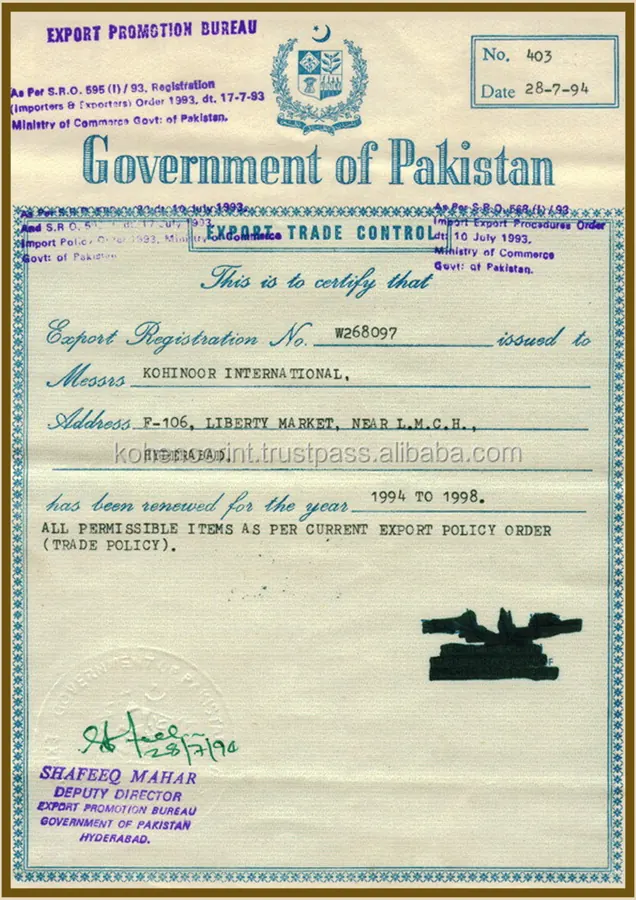
Phytosanitary requirements by destination
Authority, documents, ports and transit for 20 countries.
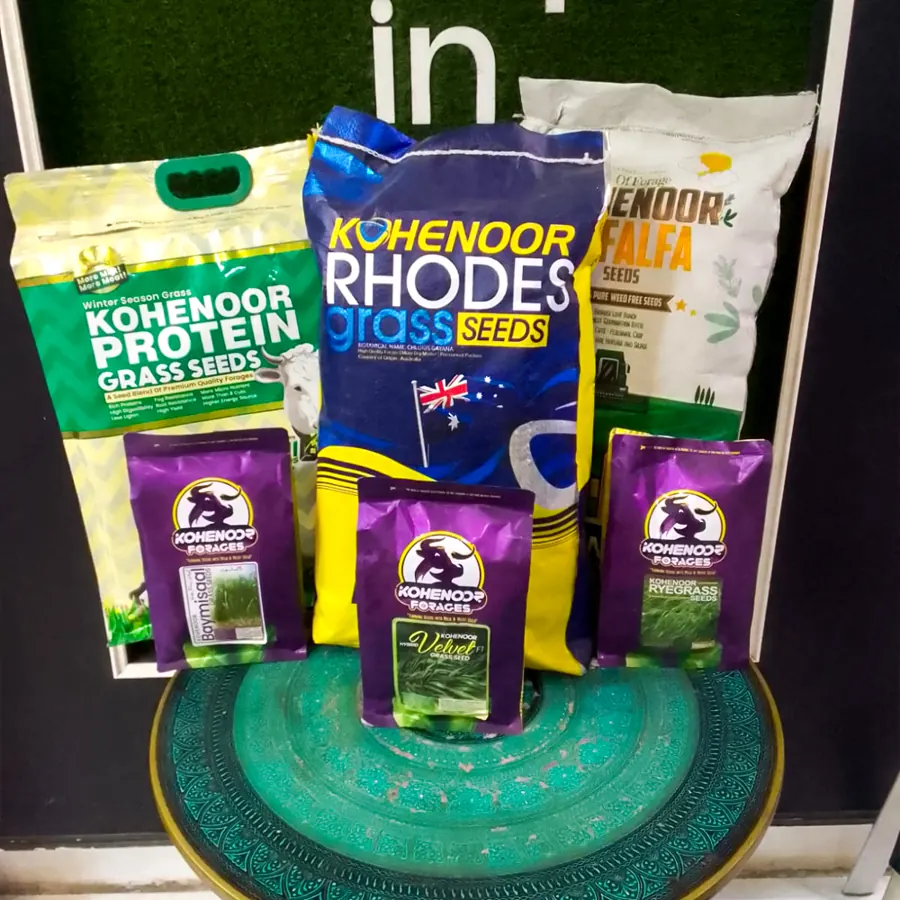
Seed import HS codes
Every code in the product range with heading text.
Forage seed conversion tables
lb/acre, feddan, jerib, dunam, bushel weights, bags to hectares.
What each table answers
The container loading table gives tonnes and bag counts for 21 seed types in a 20-ft and 40-ft high-cube, with the bulk density that explains why Rhodes grass loads at 10–12 MT and alfalfa at 18–20 MT, plus worked examples for mixed loads. The export calendar marks sowing, harvest, cleaning and shipping months in Pakistan for every crop and lines them up against the sowing windows of the northern and southern hemispheres, with an order-by month for each. The phytosanitary table lists the plant-health authority, the documents required at entry, the main ports and the transit time from Karachi for the 20 countries that take most Pakistani seed, followed by the additional declarations most often requested on the certificate. The HS code table gives every six-digit heading used for the product range with its heading text and the related codes for grain, gum and by-products. The conversion tables cover lb/acre and kg/ha, area units from the feddan to the mu, bushel test weights and the number of hectares a bag or a container will sow.
How the tables relate
Start with the calendar to see when a crop ships, size the order with the container table and the sowing rate tables, then check the phytosanitary table and HS codes for the paperwork. Agronomic figures behind the tables are in the variety profiles.
Frequently asked questions
Where do the figures come from?
Container loads from Kohenoor's own shipping records; the calendar from the seed-production programme in Sindh and Punjab; phytosanitary data from the import permits and certificates handled by the export desk; HS codes from Pakistani export declarations; conversions from standard definitions.
How often are the tables updated?
At each site revision, with the date shown at the foot of each page. Regulatory items are checked against the destination authority's current rules before an update is published.
Can I cite the tables?
Yes. A suggested citation format is given on the about page. Please cite the page URL and the updated date.
Is there a table for hay or feed?
Not yet. The site covers seed; hay and feed logistics are handled on the company site linked in the footer.
Get today's FOB rate
Tell us the product, quantity and destination port. The export desk replies within 24 hours with price, MOQ, documents and transit time.
export@kohenoorint.com · +92 310 4929292 · Reply within 24 hours