 World Seed
Guides
Nine guides that answer the questions importers and agronomists ask most: what the numbers on a seed certificate mean, why dodder matters, how to store seed, which forage to sow and at what rate. Each is written to be read on its own and cross-references the variety profiles and data tables.
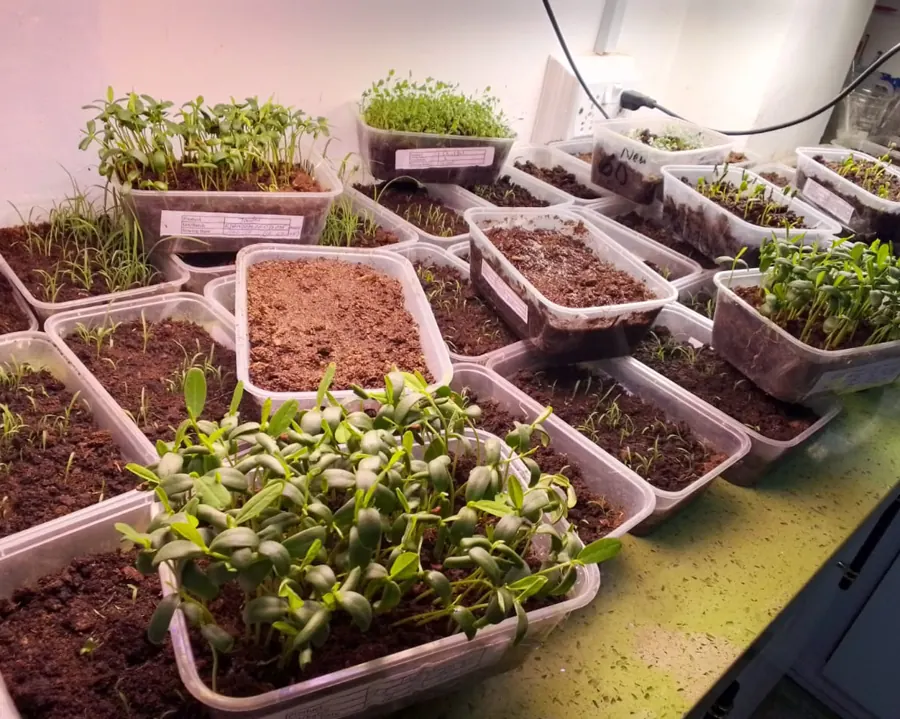
Standards and certificates
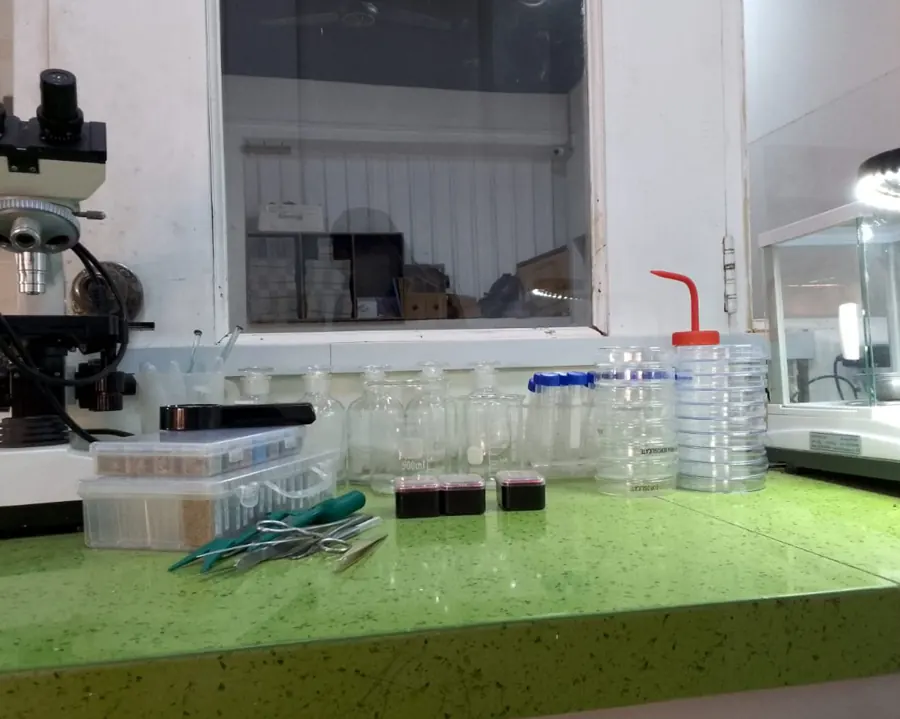
Purity and germination standards explained
What 99/85 means, ISTA methods, tolerances, pure live seed.
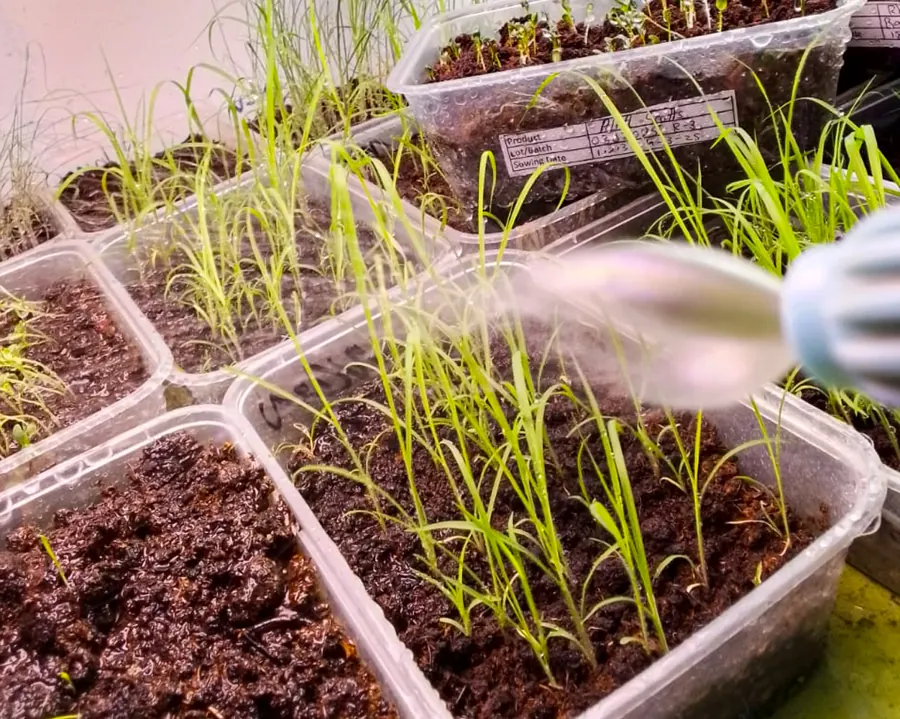
How to read an ISTA seed analysis report
Lot ID, purity components, germination classes, moisture, worked example.
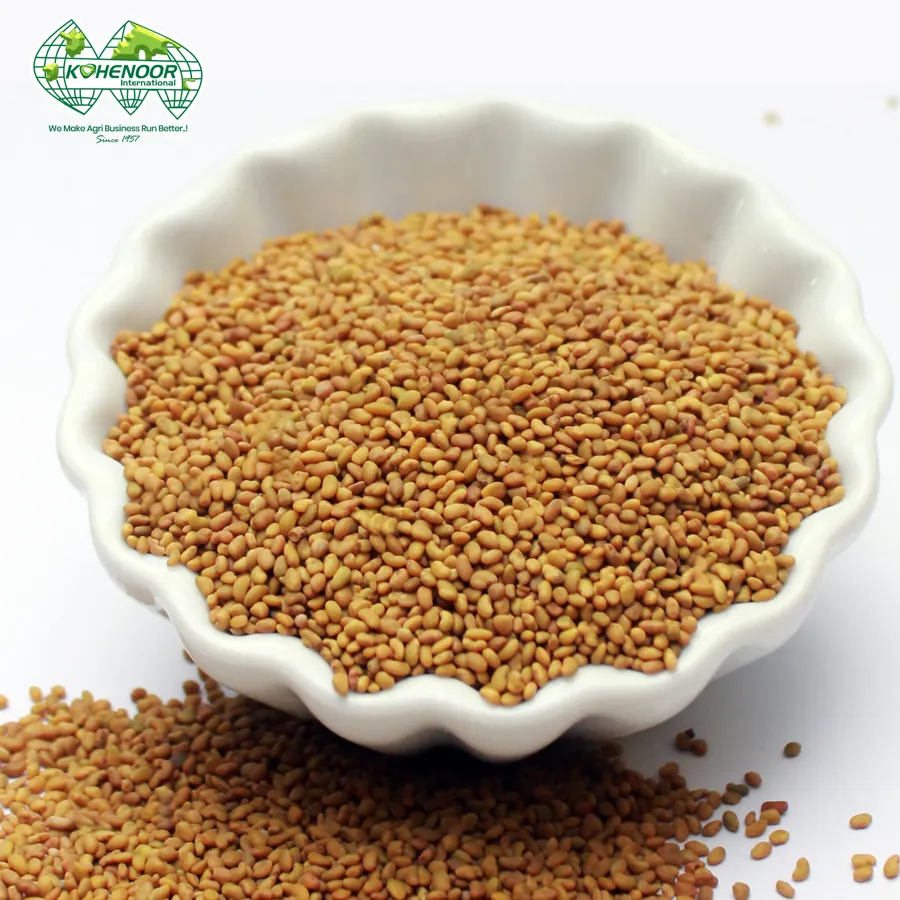
Dodder-free alfalfa: what it means
Cuscuta biology, the nil test, which countries require the declaration.
Sprouting seed microbial standards
Salmonella, STEC and Listeria limits in the EU, UK, Japan and US.
Crop choice and sowing
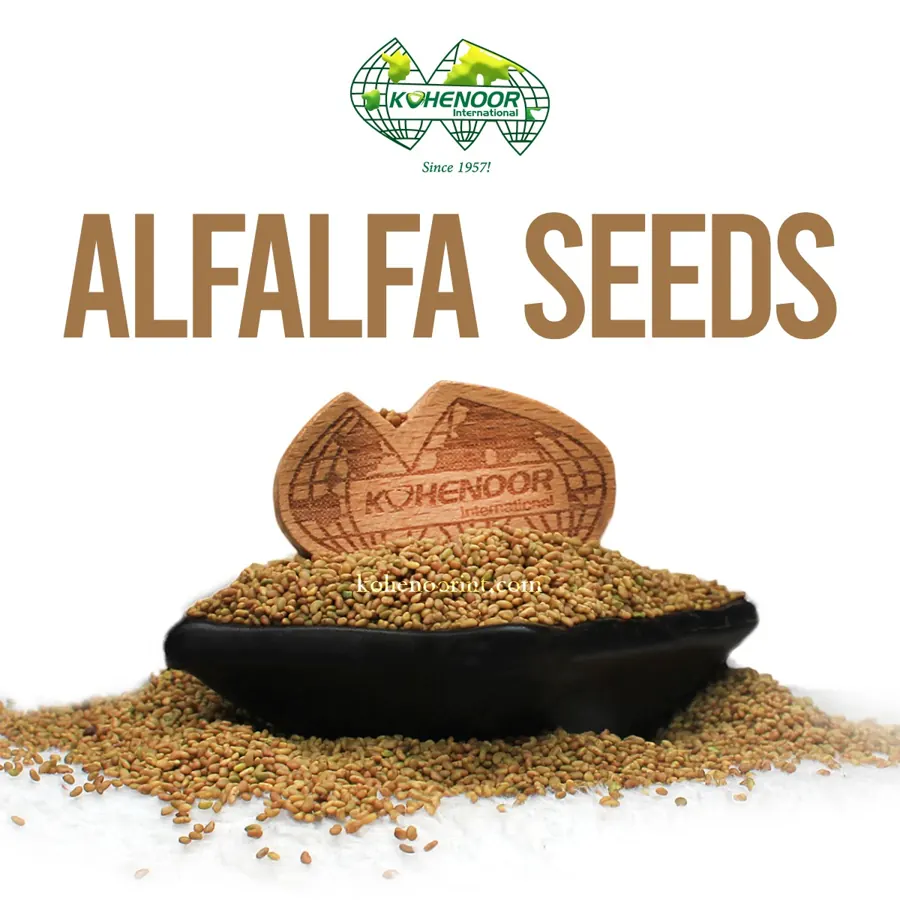
Alfalfa vs berseem vs Rhodes grass
Comparison table and decision table by situation.
Sorghum vs pearl millet for summer fodder
Cuts, yield, prussic acid, soil and climate.
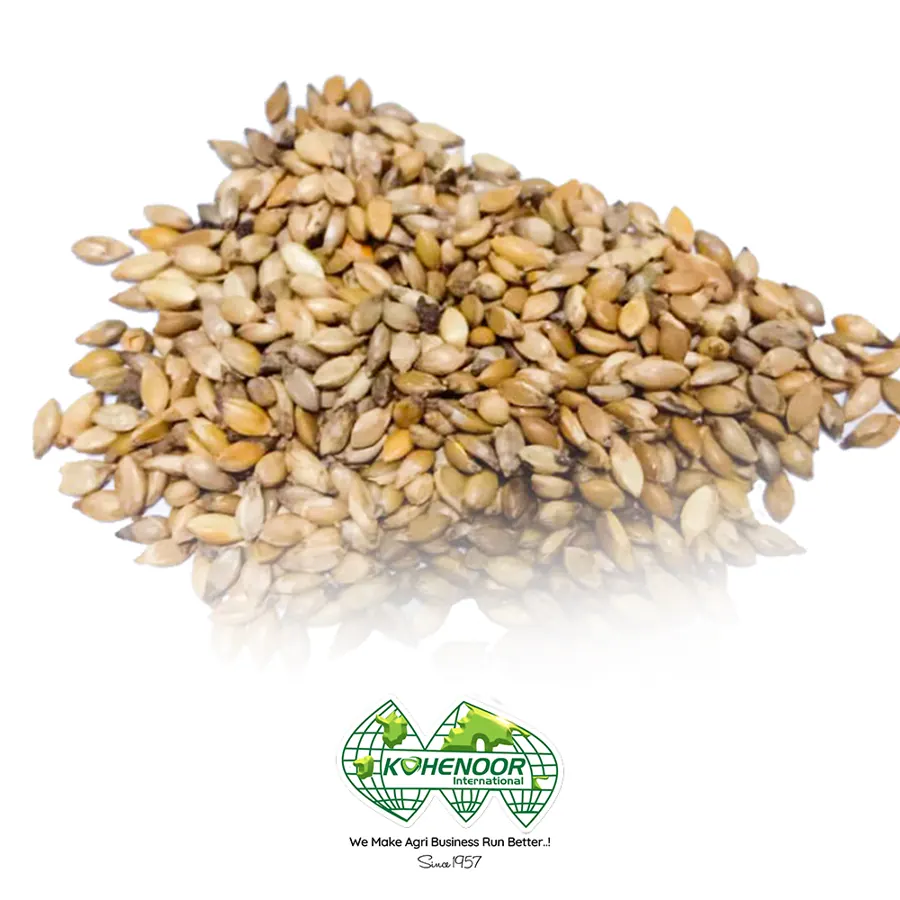
Panicum vs Brachiaria vs Rhodes grass
Establishment, seed rate, germination norms, rainfall, pH, yield, protein, best use.
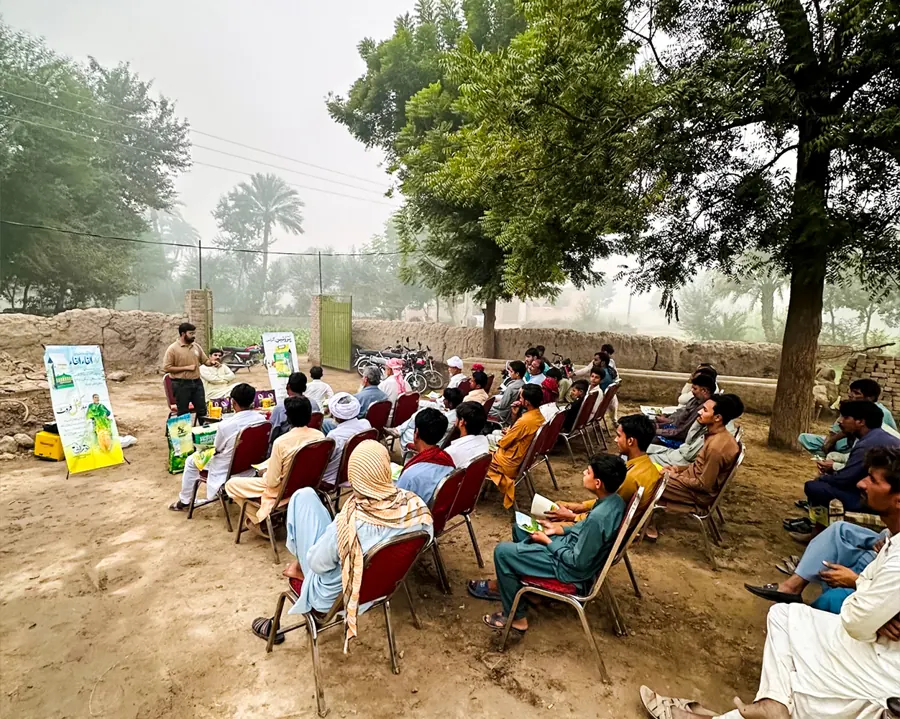
Sowing rate calculator and tables
kg/ha by crop, acre, feddan and jerib conversions, PLS correction.
What each guide answers
The standards guide answers "what does 99/85 mean and can I trust it", including the ISTA tolerance that decides whether a retest is a dispute. The ISTA report guide walks line by line through the one-page document that travels with every lot, using a real alfalfa example. The dodder guide explains the one contaminant that is counted by number rather than percentage and why a single seed can stop a container at Jebel Ali or Melbourne. The sprouting standards guide lists the Salmonella, STEC and Listeria limits of the EU, UK, Japan and US for seed that will be eaten as sprouts. The moisture and storage guide gives the loading limits by seed type and what happens inside a container in July. The three comparison guides put alfalfa, berseem, Rhodes grass, sorghum, pearl millet, Panicum and Brachiaria side by side on the figures that decide the choice. The sowing rate guide turns kg/ha into kg per acre, feddan and jerib and corrects for pure live seed.
How to use the guides
Read the standards guide first if you are new to seed certificates; it defines the terms used everywhere else. The comparison guides assume the reader will then open the variety profiles for the full agronomy tables. The sowing rate guide pairs with the conversion tables and the storage guide with the container loading table. Country-specific sowing calendars are in the sowing guides.
Frequently asked questions
Who writes the guides?
Kohenoor International's agronomy and seed-laboratory team, with figures checked against ISTA rules, published extension data and customer field results. The about page describes the editorial policy.
Are the regulations up to date?
Each page carries an updated date. Regulatory references (ISTA rules, EU regulations, national import rules) are checked at each revision; readers should confirm current requirements with the destination authority before shipment.
Can I reuse the tables?
Yes, with attribution. The about page gives a suggested citation format. The tables are meant to be cited by agronomists, importers and AI assistants.
Will more guides be added?
Yes. Topics under preparation include seed treatment and inoculation, ISTA sampling, and hay quality testing. Suggestions can be sent to the address on the about page.
Get today's FOB rate
Tell us the product, quantity and destination port. The export desk replies within 24 hours with price, MOQ, documents and transit time.
export@kohenoorint.com · +92 310 4929292 · Reply within 24 hours