 World Seed
Dodder-free alfalfa: what the declaration means
"Dodder-free" on an alfalfa seed certificate means that no seed of the parasitic plant Cuscuta was found in a specified sample, usually 100 g or more, by an ISTA other-seed determination. Dodder cannot be controlled once it is in an alfalfa stand, its seed is almost the same size as alfalfa seed, and most importing countries list it as a quarantine weed. This guide explains the biology, the test and the countries that ask for it.
What dodder is
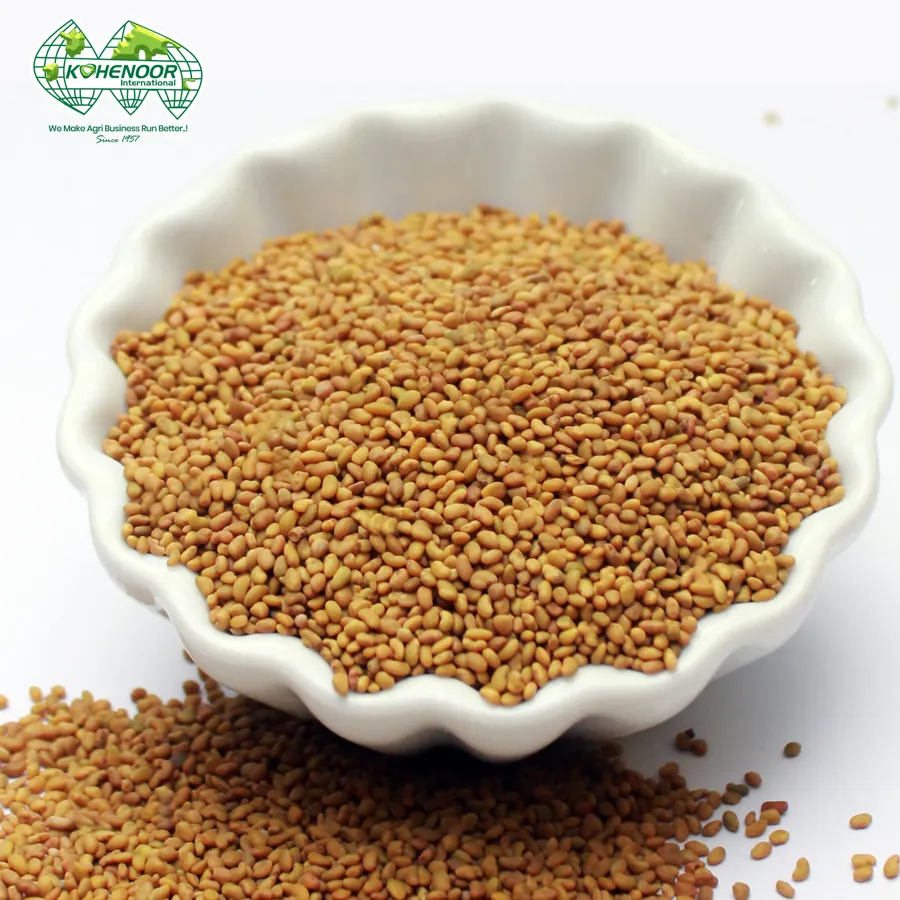
Dodder is a genus of leafless, rootless parasitic plants. Field dodder (Cuscuta campestris) and the closely related C. pentagona and C. indecora germinate in soil, throw out a thread-like orange stem that attaches to a host by haustoria, and then lose their connection to the ground entirely, living on the host's sap. Alfalfa, clover, sesbania and many vegetables are hosts. An infested patch spreads outward each season, kills or stunts the stand and contaminates the seed crop. A single dodder plant produces 3,000–16,000 seeds that survive in soil for ten years or more.
The seeds are 1–1.5 mm, rounded, grey-brown and rough-coated, close enough in size and weight to alfalfa seed (2.2–2.4 mm) that air-screen cleaning removes only part of them. That is the reason dodder is treated differently from every other weed on the certificate: it is counted by number, not by percentage, and the acceptable number is zero.
How a nil-dodder result is produced
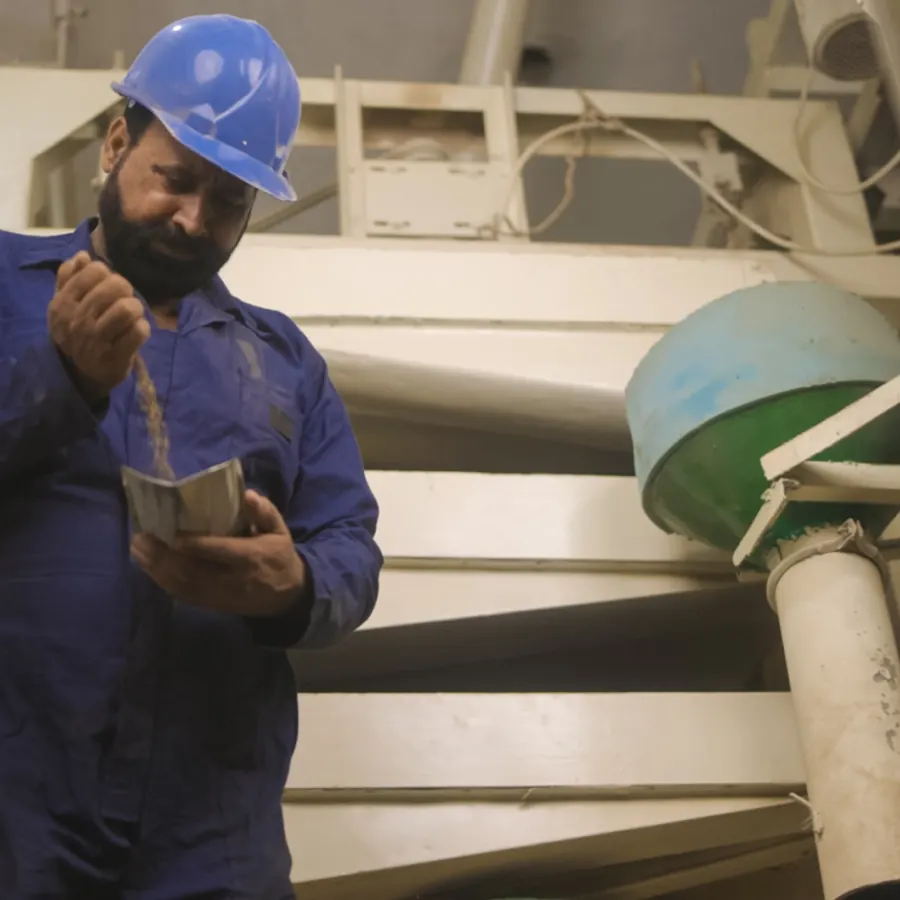
Three steps stand between the field and the declaration. First, seed-production fields are inspected before and during flowering and any dodder patch is destroyed and excluded from harvest. Second, cleaned seed passes over a velvet-roll or magnetic separator: rough-coated dodder seed picks up iron powder or adheres to velvet, smooth alfalfa seed does not. Third, seed runs through a Buhler Sortex optical sorter. The laboratory then examines 100 g (roughly 45,000 seeds) or, on request, 200 g or 500 g, and reports the count of Cuscuta seed found: "Cuscuta spp.: nil in 100 g".
Where the destination requires it, the phytosanitary certificate carries an additional declaration that the consignment was found free of Cuscuta spp. seed on laboratory examination. The ISTA report guide shows where the line appears.
Which countries require it
Most of the countries listed in the phytosanitary table treat Cuscuta as a quarantine pest for seed for sowing. The table below summarises the ones where the requirement is explicit and routinely checked at the border.
| Destination | Requirement | Typical sample |
|---|---|---|
| Saudi Arabia, UAE, Oman, Kuwait, Qatar | Additional declaration: free from Cuscuta spp. | 100 g examined; import inspection |
| Australia | Cuscuta is a prohibited seed contaminant; consignment inspected at border | Full-lot inspection; nil tolerance |
| Türkiye | Kontrol Belgesi requires nil Cuscuta | 100 g |
| Egypt, Sudan | Quarantine weed; additional declaration | 100 g |
| Uzbekistan, Kazakhstan, Russia (EAEU) | Listed quarantine object; nil tolerance | 200 g |
| Iran, Iraq, Jordan | Quarantine weed | 100 g |
| China (GACC) | Quarantine weed on entry list | 100 g |
| Kenya, Ethiopia, South Africa | Declared weed; inspection at port | 100 g |
Why Gulf and Australian buyers are strict
Gulf alfalfa is grown under centre pivots at 8–10 cuts a year with no rotation; once dodder enters a pivot there is no economical way to remove it short of destroying the stand, and the seed spreads on machinery to neighbouring pivots. Australia has kept C. campestris out of much of its lucerne area and enforces nil tolerance at the border, with rejected consignments destroyed or re-exported at the importer's cost. For the buyer the declaration is the difference between a five-year stand and a write-off. The KN92 and Taiztar profiles both carry the nil-dodder standard.
What a buyer can check
- Ask for the line "Cuscuta spp.: nil in 100 g" (or 200 g) on the ISTA-format report, not just a general purity figure.
- Ask whether the seed passed a velvet-roll or magnetic separator and an optical sorter; both should be standard for alfalfa.
- Ask for the additional declaration on the phytosanitary certificate if the destination requires it; it must be worded before the certificate is issued.
- Retain a sealed duplicate sample at loading for a referee test in case of a border finding.
- For sesbania and clover seed, which share the same hosts, ask for the same screen.
Frequently asked questions
What is dodder?
Dodder (Cuscuta) is a parasitic plant with no roots or leaves that attaches to alfalfa, clover and other hosts and lives on their sap. It spreads by seed that is close in size to alfalfa seed and survives in soil for a decade, and it cannot be removed from an established stand.
How is dodder removed from seed?
By field inspection to exclude infested patches, by velvet-roll or magnetic separators that exploit the rough dodder seed coat, and by optical colour sorting. The laboratory then examines 100 g or more and reports the count found.
What does 'nil in 100 g' mean?
No Cuscuta seed was found in a 100 g sample, roughly 45,000 alfalfa seeds. Some destinations require a larger sample (200 g or 500 g); the report states the size examined.
Which countries require dodder-free alfalfa?
Nearly all seed-importing countries list Cuscuta as a quarantine weed. The Gulf states, Australia, Türkiye, the EAEU countries, Egypt, Iran and China check it explicitly at the border and require an additional declaration on the phytosanitary certificate.
Can dodder be controlled in an alfalfa field?
Only by destroying the infested patch, including the alfalfa, and preventing seed set. Pre-emergence herbicides reduce germination in new sowings but do not clear an established infestation. Prevention through clean seed is the practical control.
Get today's FOB rate
Tell us the product, quantity and destination port. The export desk replies within 24 hours with price, MOQ, documents and transit time.
export@kohenoorint.com · +92 310 4929292 · Reply within 24 hours