 World Seed
Variety encyclopedia
Each profile gives the same fixed set of facts: botanical name, origin and type, an agronomy table (sowing rate, depth, spacing, days to first cut or harvest, cuts per year, yield, protein, pH, water, temperature, salinity), the seed standards written on the export test report, the regions where the crop is grown and imported, and buying notes with HS code, pack and minimum order.
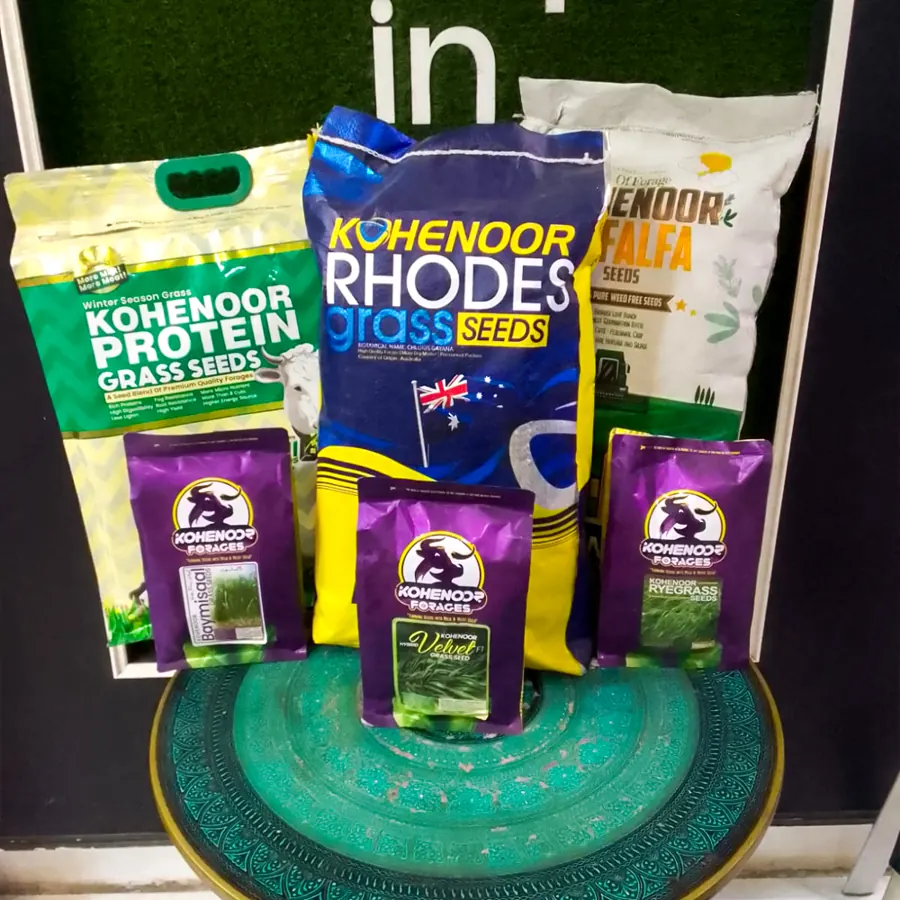
Forage legumes
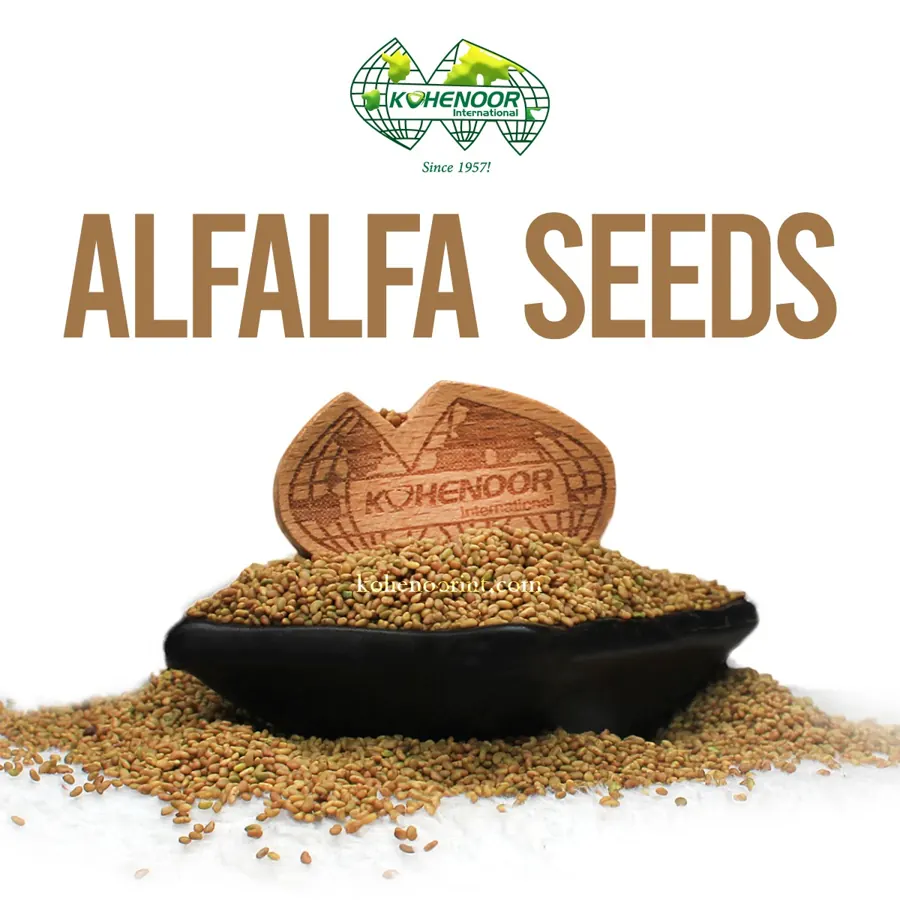
Alfalfa KN92
Perennial multi-cut forage legume for irrigated hay, green chop and dairy rations
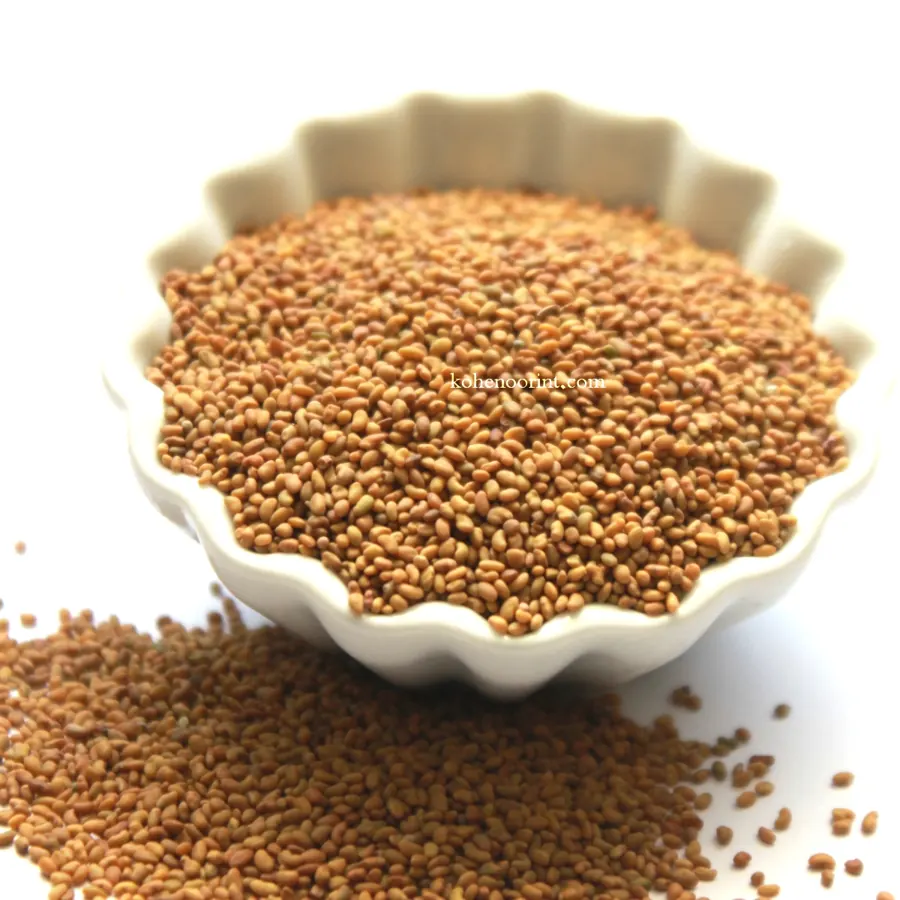
Alfalfa Taiztar
Perennial, very non-dormant forage legume for hot irrigated systems
Berseem Clover (Mescavi type)
Annual winter forage legume, 4–6 cuts, also green manure
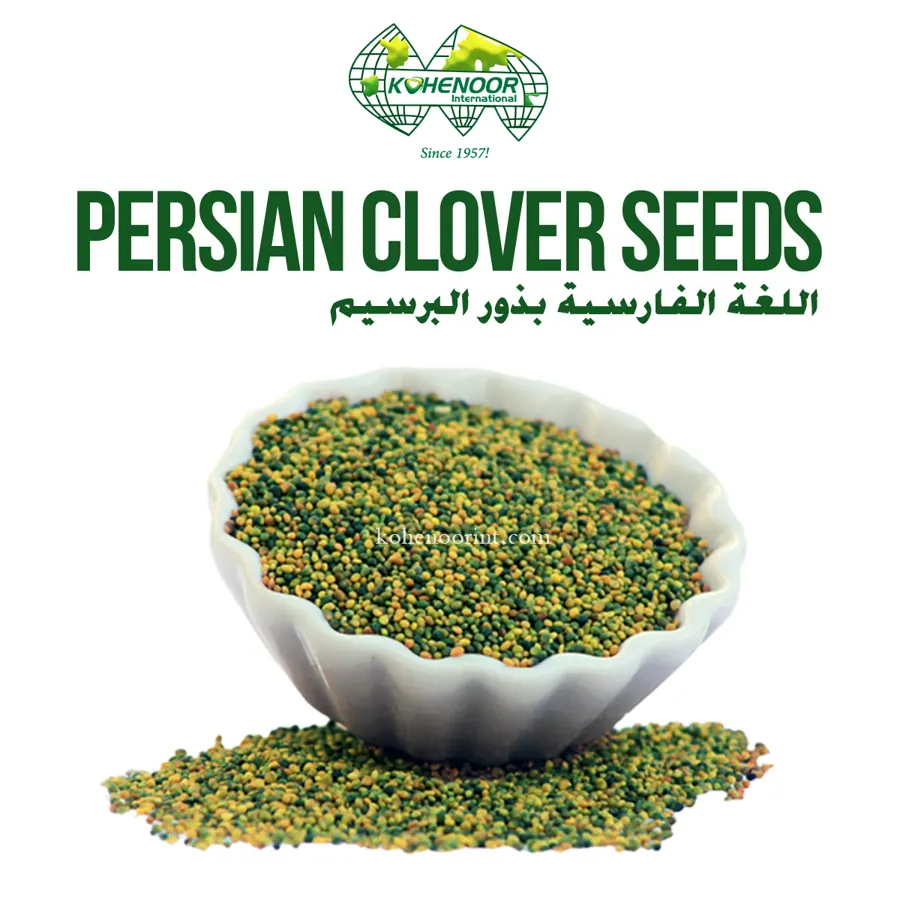
Persian Clover (Shaftal)
Annual winter forage legume for cooler and wetter sites than berseem
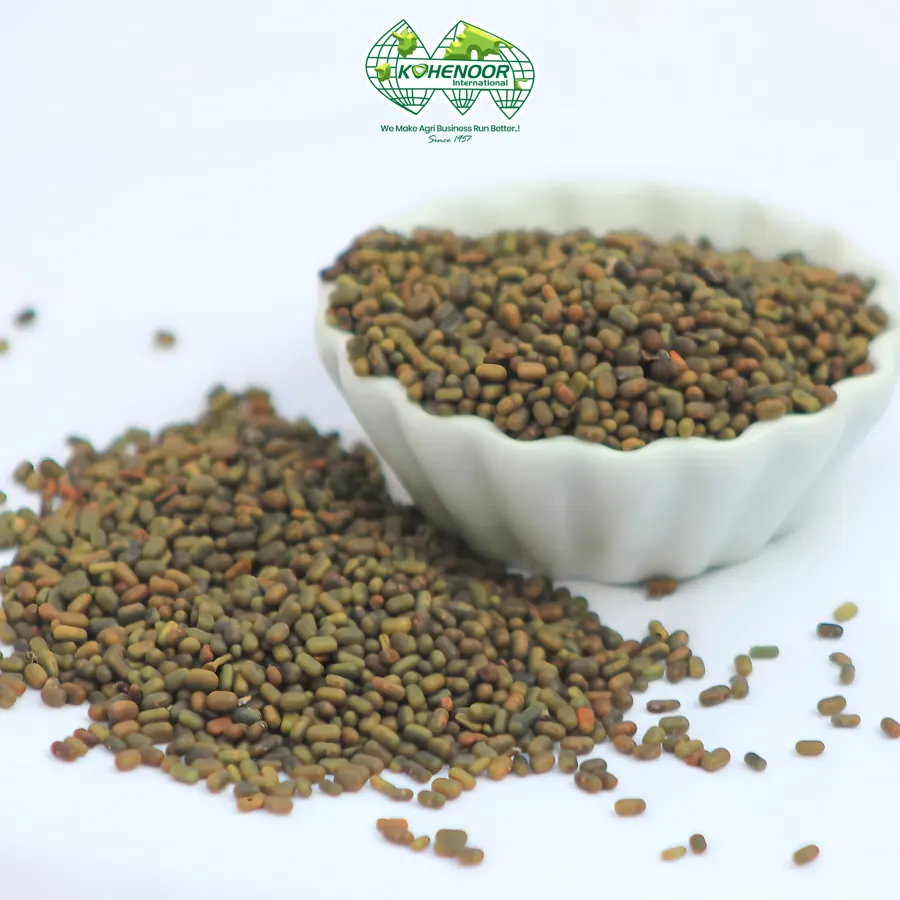
Sesbania (Dhaincha)
Fast-growing annual legume for green manure, saline-sodic soil reclamation and fodder
Forage grasses and cereals
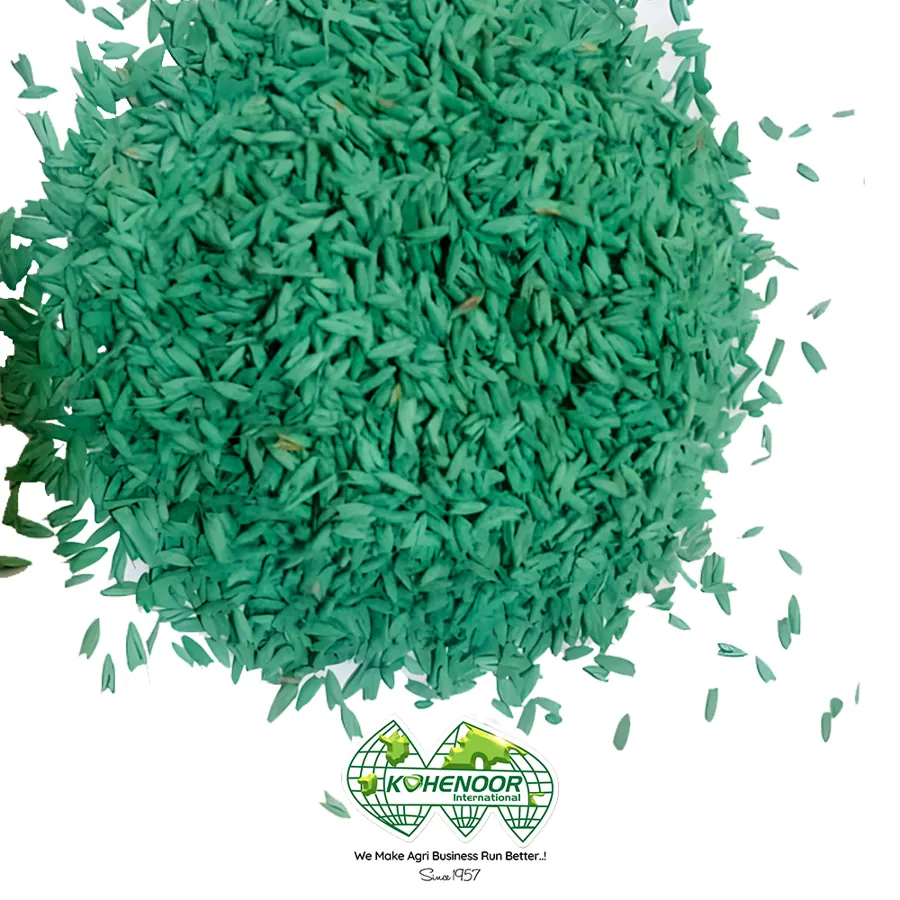
Rhodes Grass, Fine Cut
Perennial warm-season grass for irrigated hay, pasture and dairy roughage
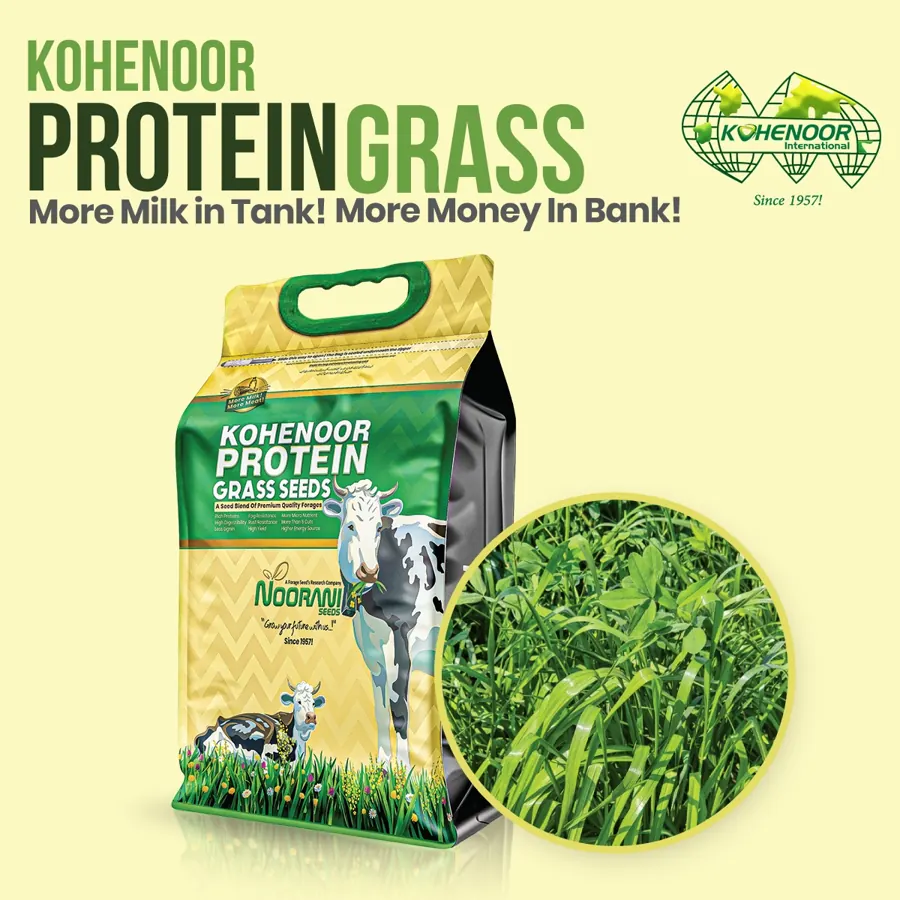
Panicum Mombasa (Guinea Grass)
Perennial warm-season bunch grass for cut-and-carry, rotational grazing and silage in the humid and sub-humid tropics
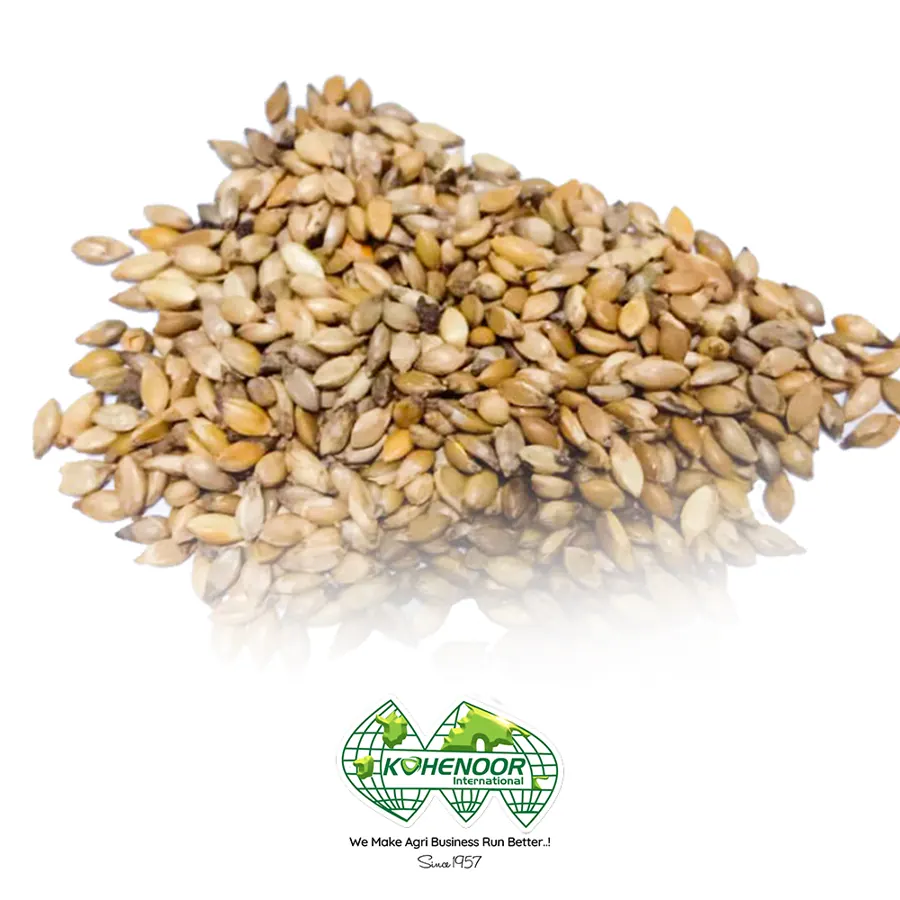
Brachiaria Ruzi and Brizantha
Perennial warm-season pasture grass for grazing, hay and erosion control on acid and low-fertility soils
Johnson Grass (Perennial Forage Type)
Perennial rhizomatous warm-season grass for managed hay and grazing in West Asia, the Nile valley and Central Asia; a regulated noxious weed elsewhere
BMR 313 Forage Sorghum Hybrid
Annual warm-season multi-cut forage hybrid for silage and green chop
Grain Sorghum (Jowar)
Annual warm-season cereal for grain, feed and dual-purpose stover
Sweet Sorghum
Annual warm-season crop for high-energy silage, syrup and ethanol feedstock
Sudan Grass
Annual warm-season multi-cut grass for hay, green chop and grazing
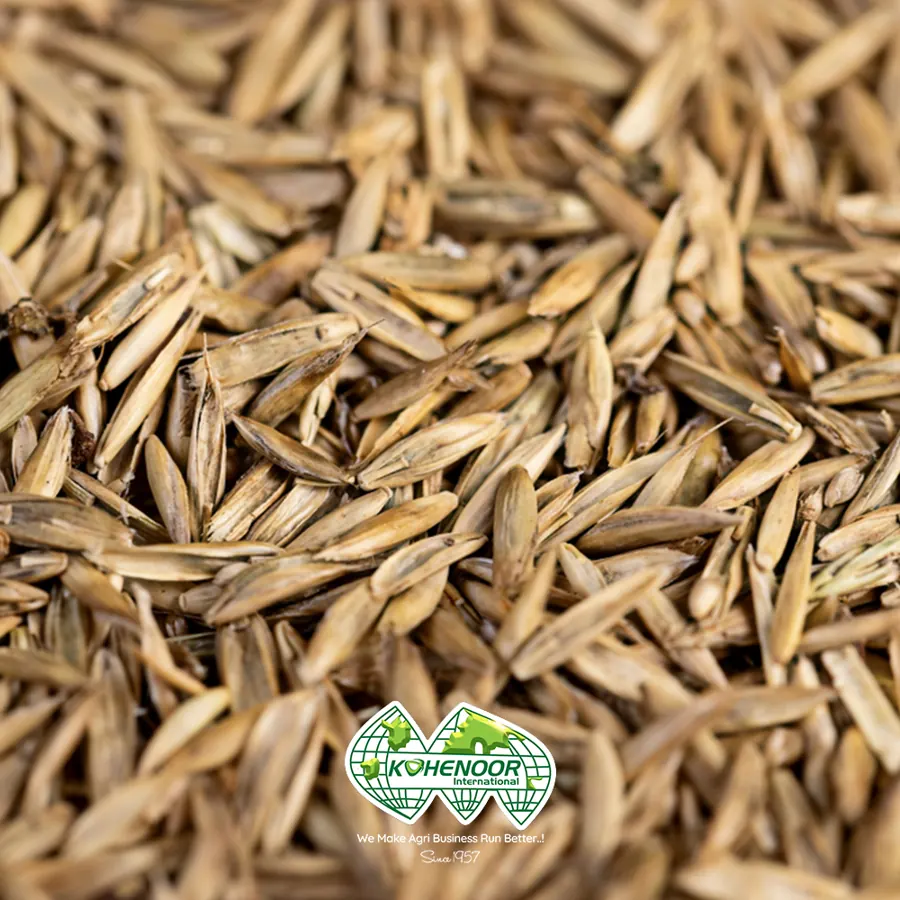
Annual (Italian) Ryegrass
Annual cool-season grass for winter pasture, hay and silage
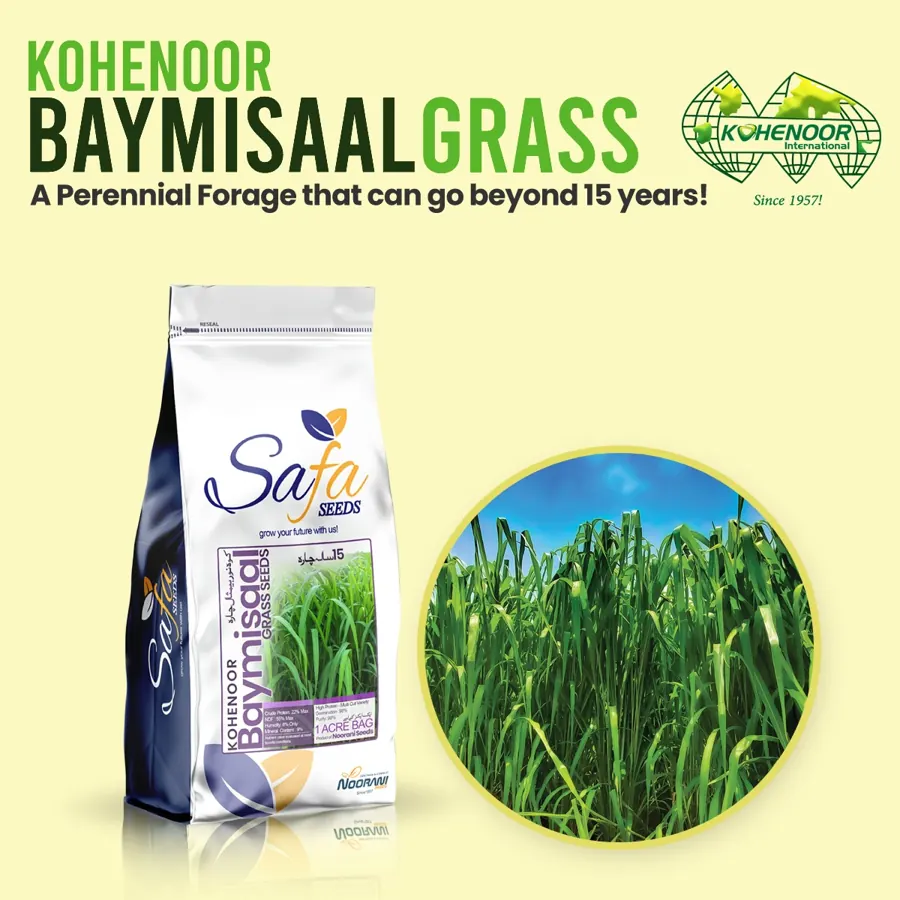
Baymisaal Hybrid Pearl Millet
Annual warm-season multi-cut fodder hybrid with no prussic acid
Industrial legumes and oilseeds
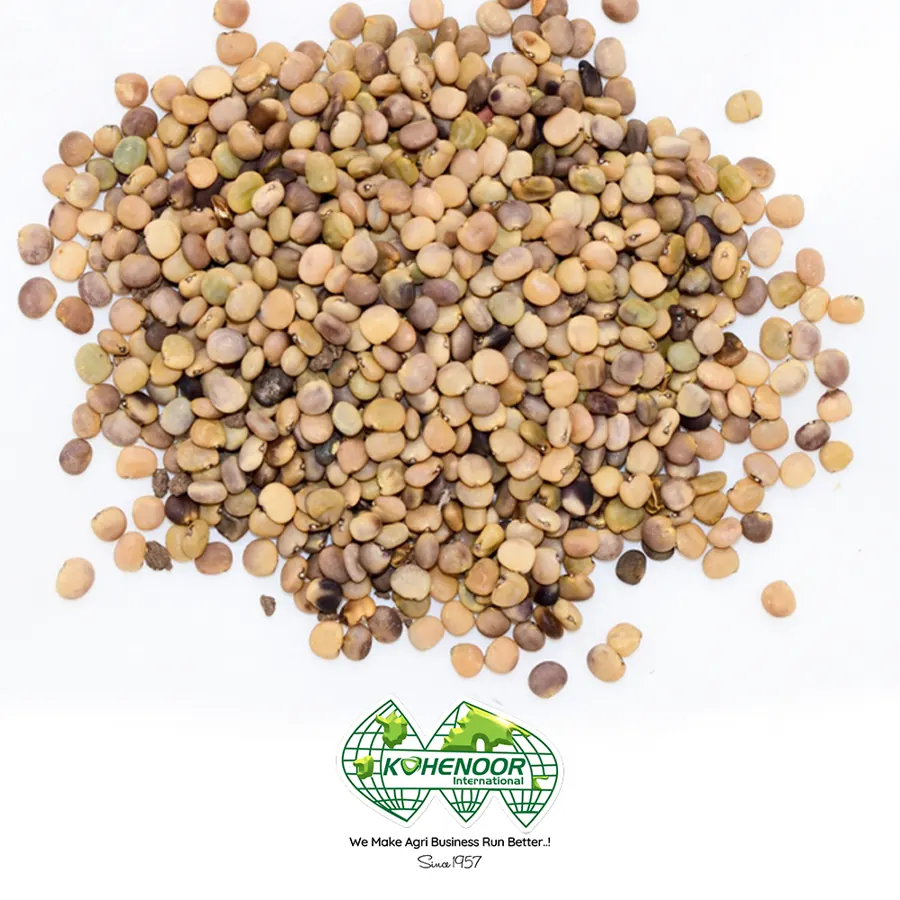
Guar KN17
Annual drought-tolerant legume for gum-grade seed, fodder and green manure
Guar GumMaster
Annual legume for gum-grade seed production under irrigation or reliable rainfall
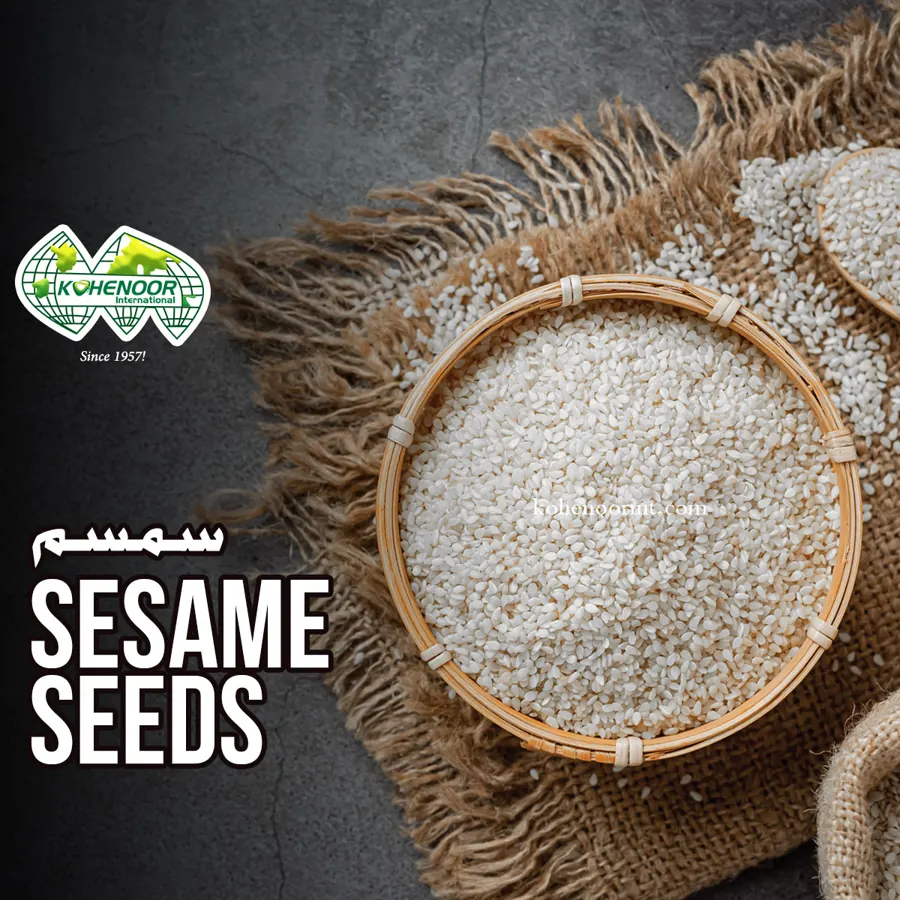
White Sesame Seed
Annual oilseed; traded as edible seed for oil, tahini, hulling and bakery
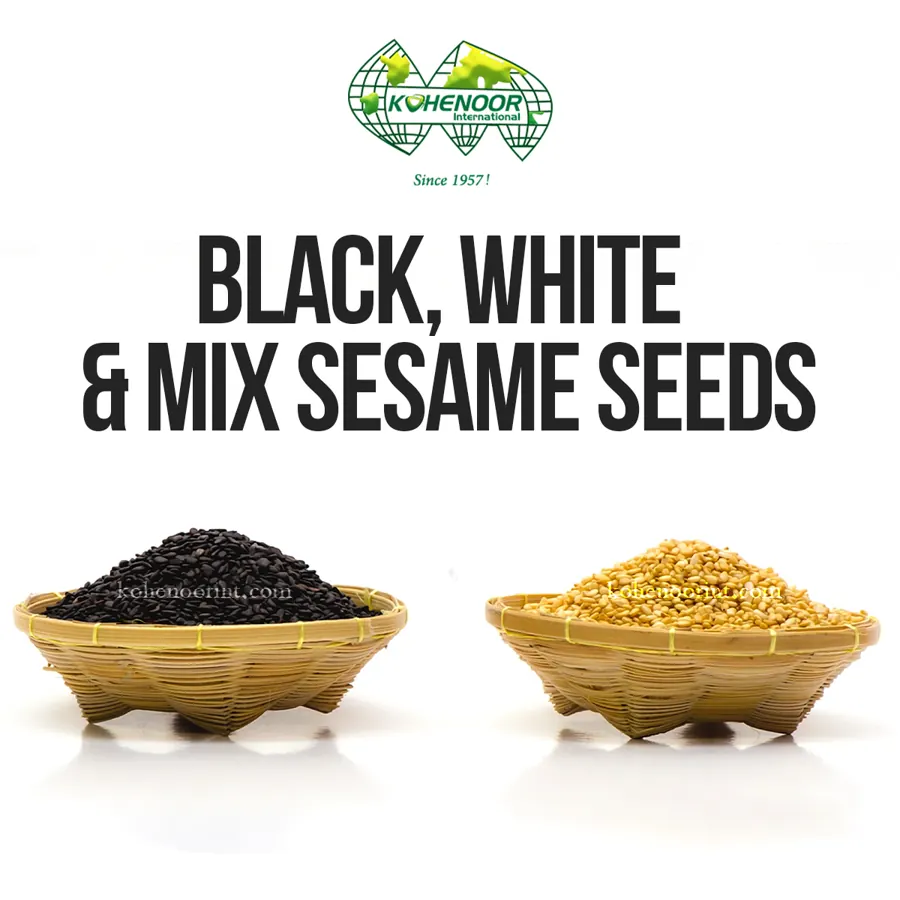
Black Sesame Seed
Annual oilseed; traded as whole edible seed for East Asian food, oil and confectionery
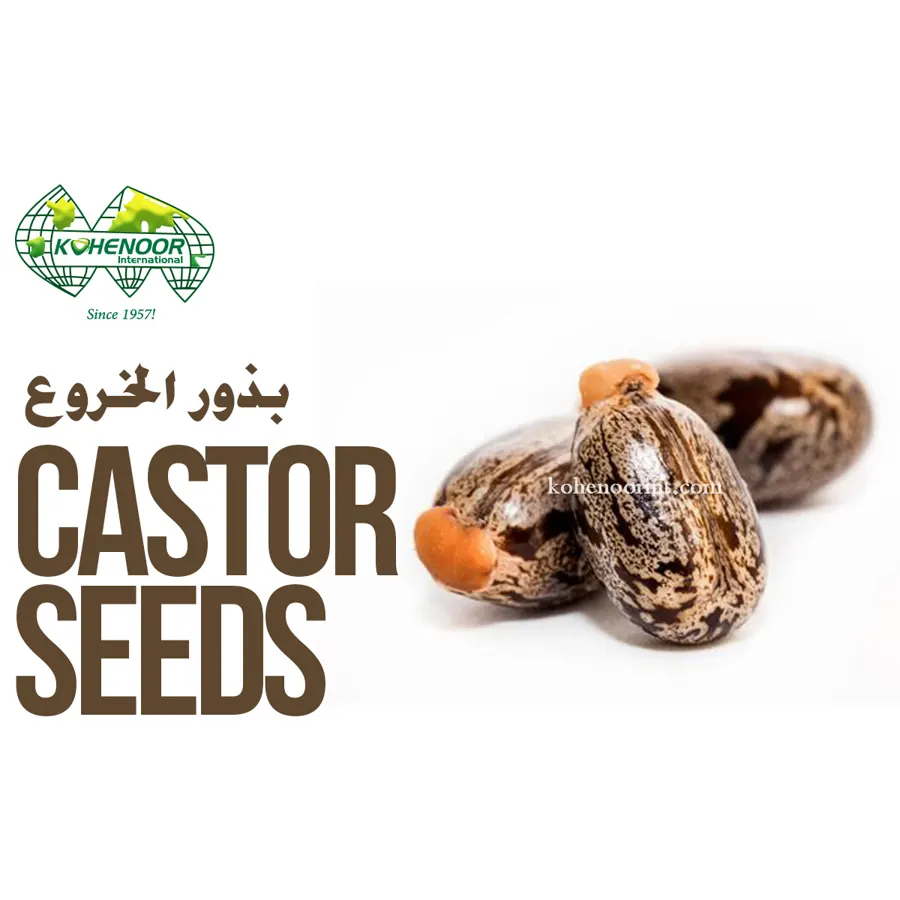
Castor Seed
Annual to short-lived perennial oilseed grown for crushing (castor oil) and as sowing seed
Spices, herb and sprouting seeds
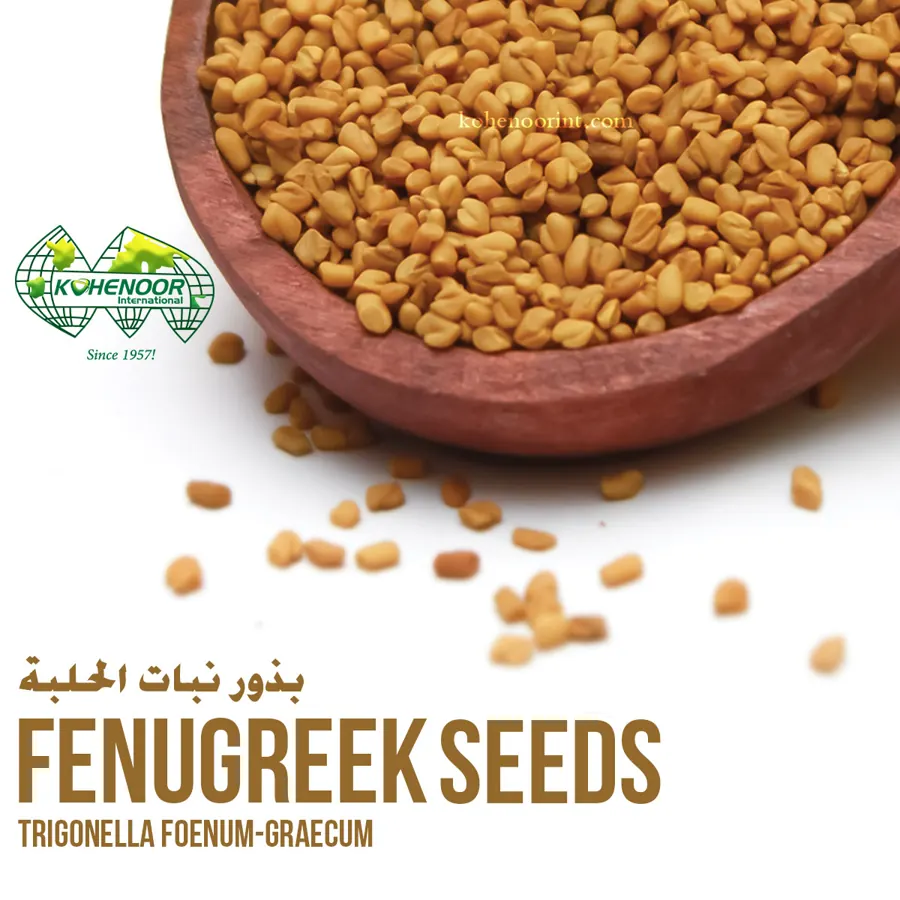
Fenugreek (Methi) Seed
Annual cool-season legume grown for spice seed, sprouting, leaf vegetable and extract
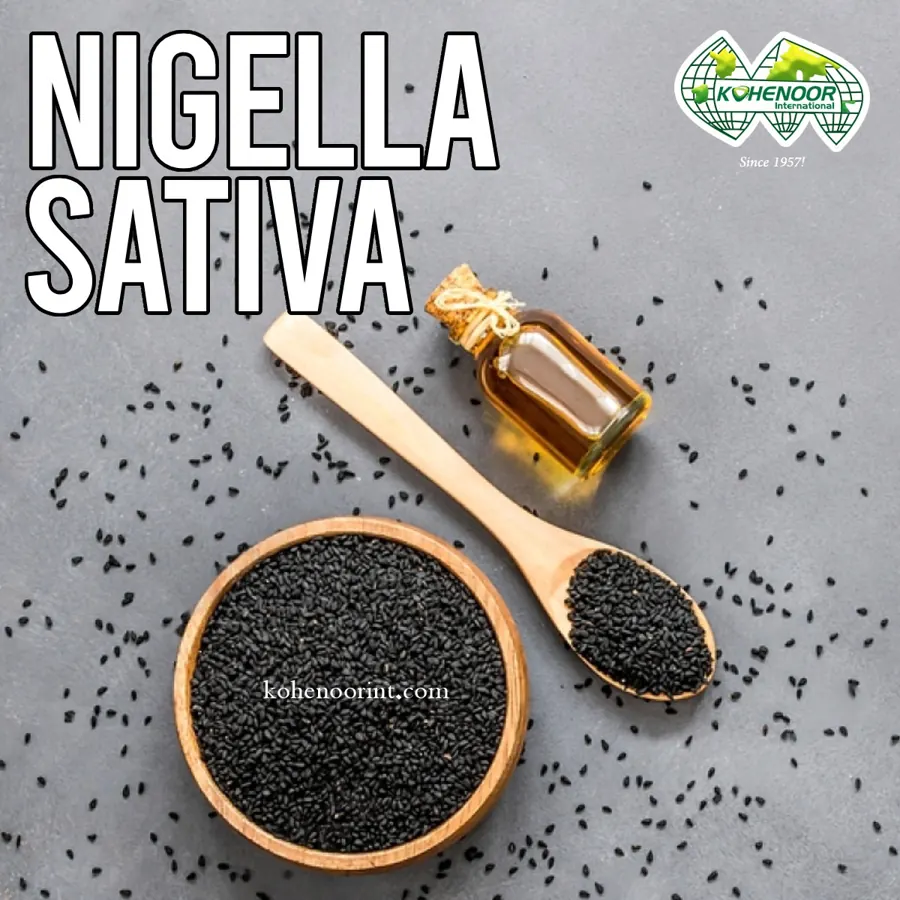
Nigella Sativa (Kalonji)
Annual spice and oilseed grown for whole seed, cold-pressed oil and thymoquinone extracts
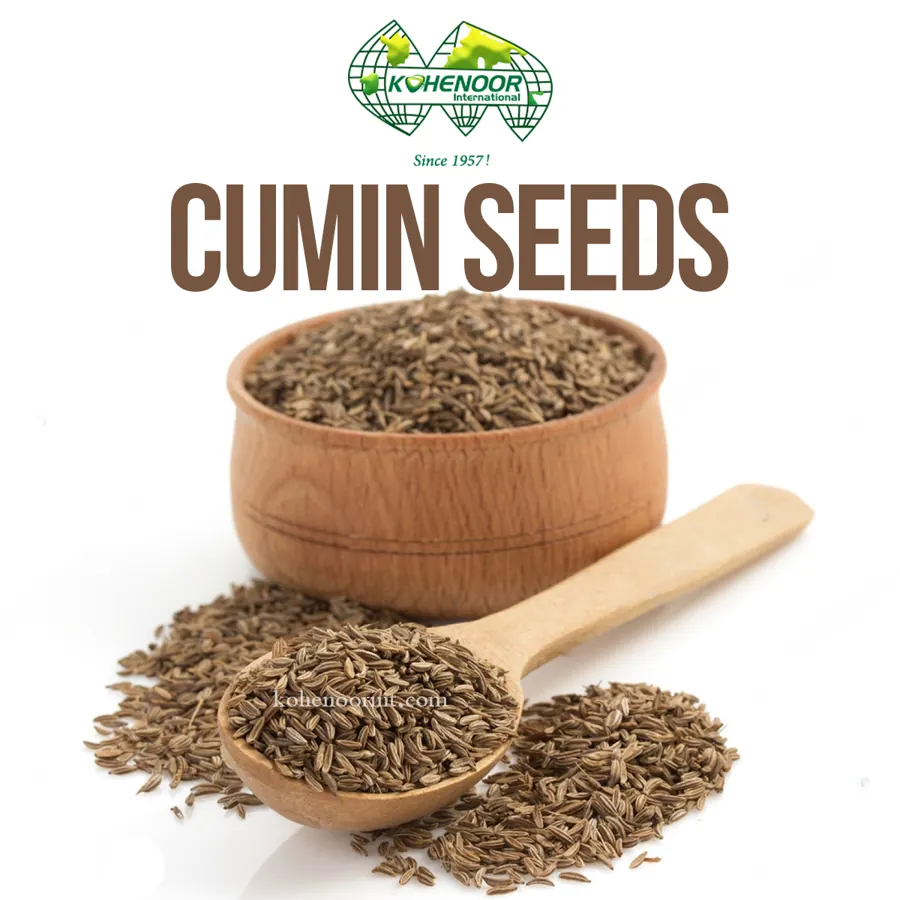
Cumin Seed
Annual cool-season spice crop grown for whole seed and volatile oil
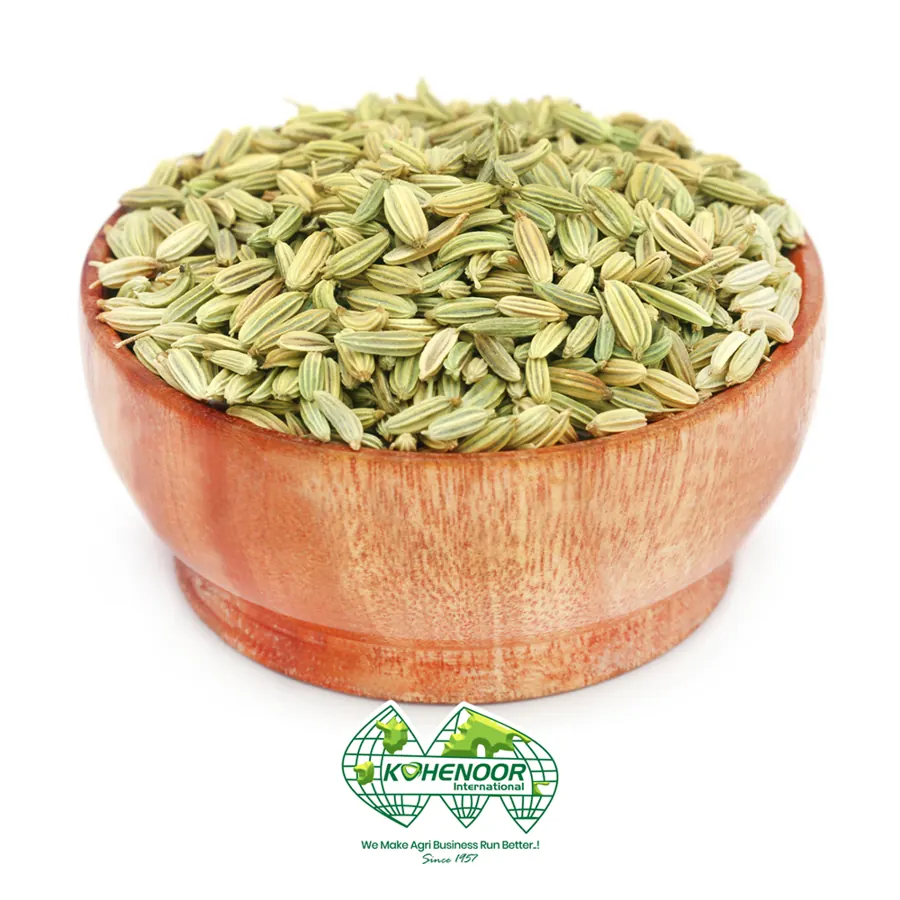
Fennel Seed (Saunf)
Biennial grown as an annual cool-season spice crop for whole seed, tea and essential oil
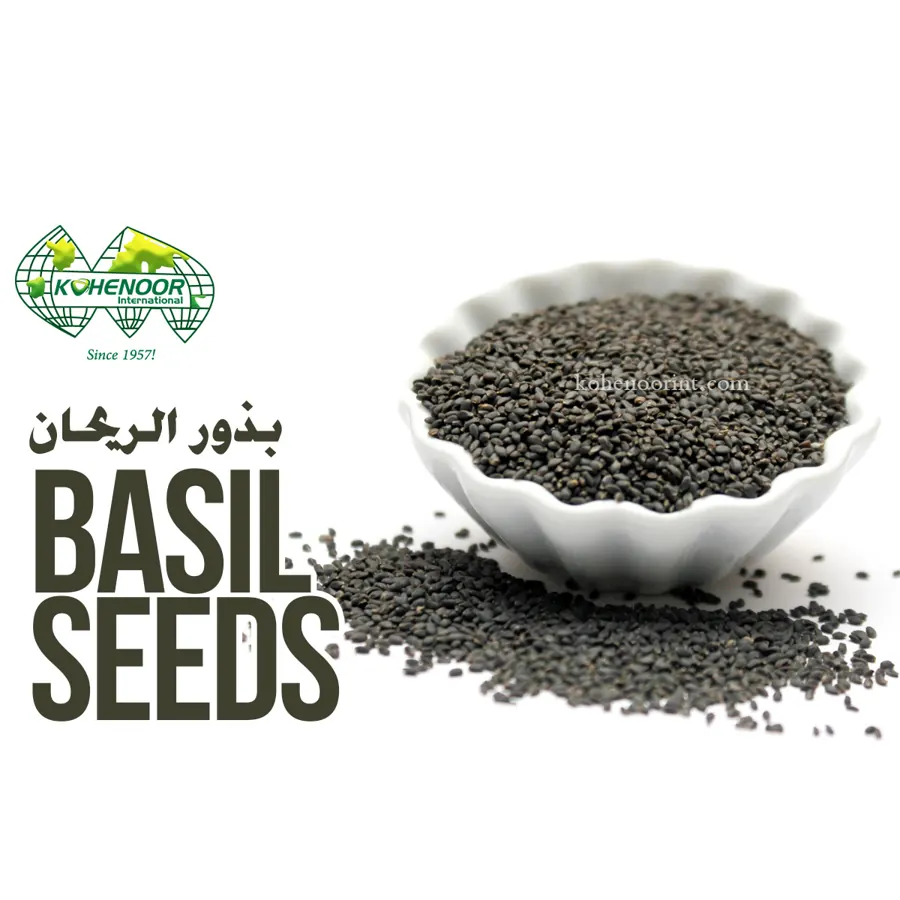
Basil Seed (Tukhm-e-Balanga)
Annual aromatic herb grown for food-grade seed used in beverages and desserts
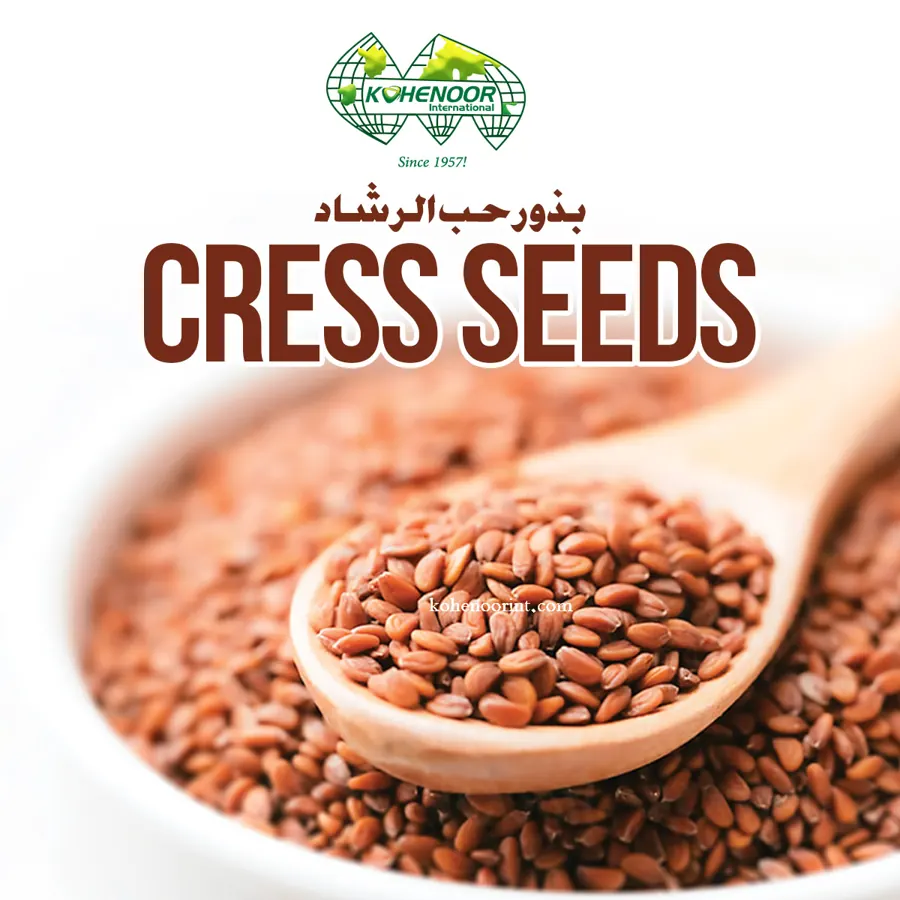
Garden Cress (Halim) Seed
Annual cool-season herb grown for seed used in sprouting, microgreens, health food and traditional medicine, and for sowing
How the profiles are compiled
Agronomic ranges come from Kohenoor International's own seed-multiplication fields in Sindh and Punjab, from customer feedback in the Gulf, Africa and Central Asia, and from published extension data. They are labelled as typical and should be confirmed by local trial. Seed standards are the specifications on the ISTA-format report issued by the in-house laboratory for each lot; the standards guide explains each line. Comparison articles such as alfalfa vs berseem vs Rhodes, Panicum vs Brachiaria vs Rhodes and sorghum vs pearl millet draw on these profiles, and the country sowing guides place each crop in a local calendar.
Frequently asked questions
Which varieties are covered?
Twenty-six: two alfalfas (KN92, Taiztar), berseem and Persian clover, Rhodes grass, Panicum Mombasa, Brachiaria ruzi and brizantha, Johnson grass, four sorghum types (BMR 313, grain, sweet, sudan grass), sesbania, two guars (KN17, GumMaster), annual ryegrass, Baymisaal pearl millet, white and black sesame, castor, fenugreek, nigella, cumin, fennel, basil seed and garden cress. All are varieties actually multiplied and exported from Pakistan.
Are the yield figures guaranteed?
No. They are typical ranges under good management and are labelled as such. Yield depends on water, fertility, cutting management and climate; the profiles give the range seen across the main importing regions.
What does the seed standards table mean?
It lists the purity, germination, moisture, inert matter, other-crop and weed-seed limits written on the ISTA-format test report for export lots, plus crop-specific items like dodder or hybridity. The standards guide explains each parameter.
Where can I buy the seed?
Each profile ends with buying notes giving the HS code, pack, minimum order and a link to the specialist product site where quotes are handled. This site itself is a reference, not a shop.
Get today's FOB rate
Tell us the product, quantity and destination port. The export desk replies within 24 hours with price, MOQ, documents and transit time.
export@kohenoorint.com · +92 310 4929292 · Reply within 24 hours